Thinking about buying in Cape Carteret but not sure whether the home should be your primary residence or your second home? That choice affects more than your lifestyle. It can shape your financing conversation, tax planning, rental strategy, and even how you prepare for coastal upkeep. If you are weighing full-time living against part-year use, this guide will help you sort through the practical differences so you can move forward with clarity. Let’s dive in.
Why the distinction matters
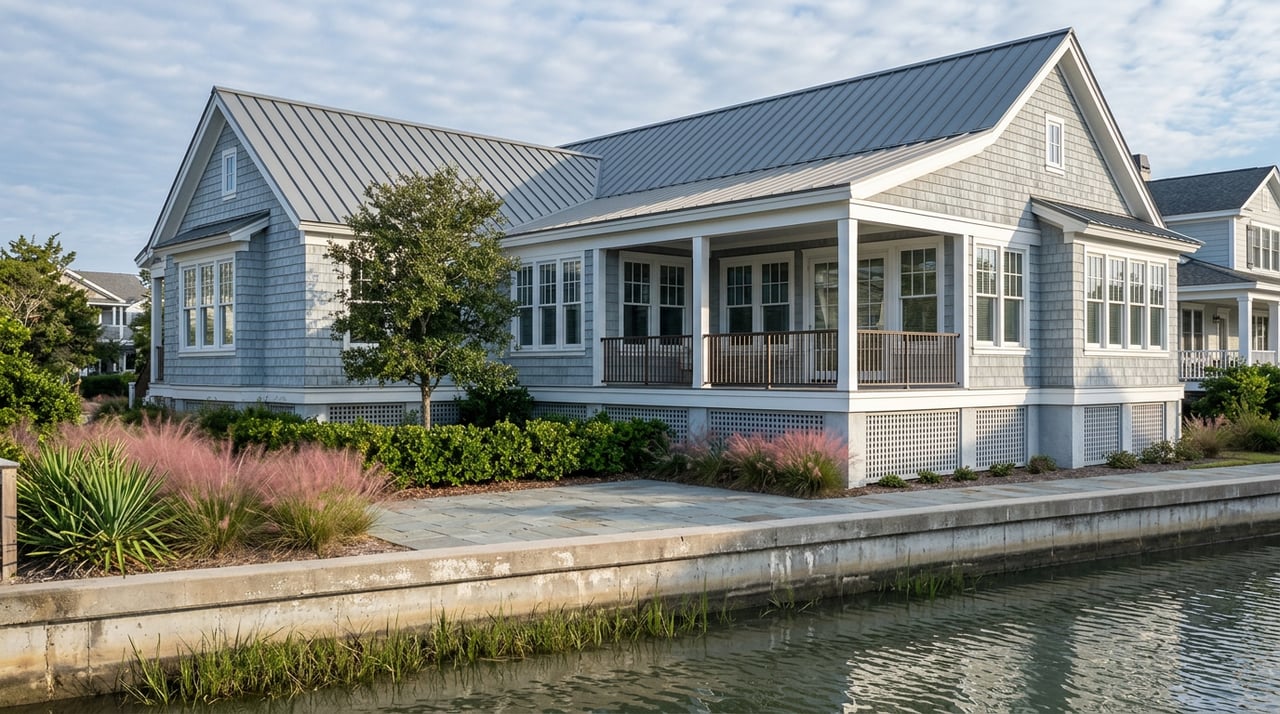
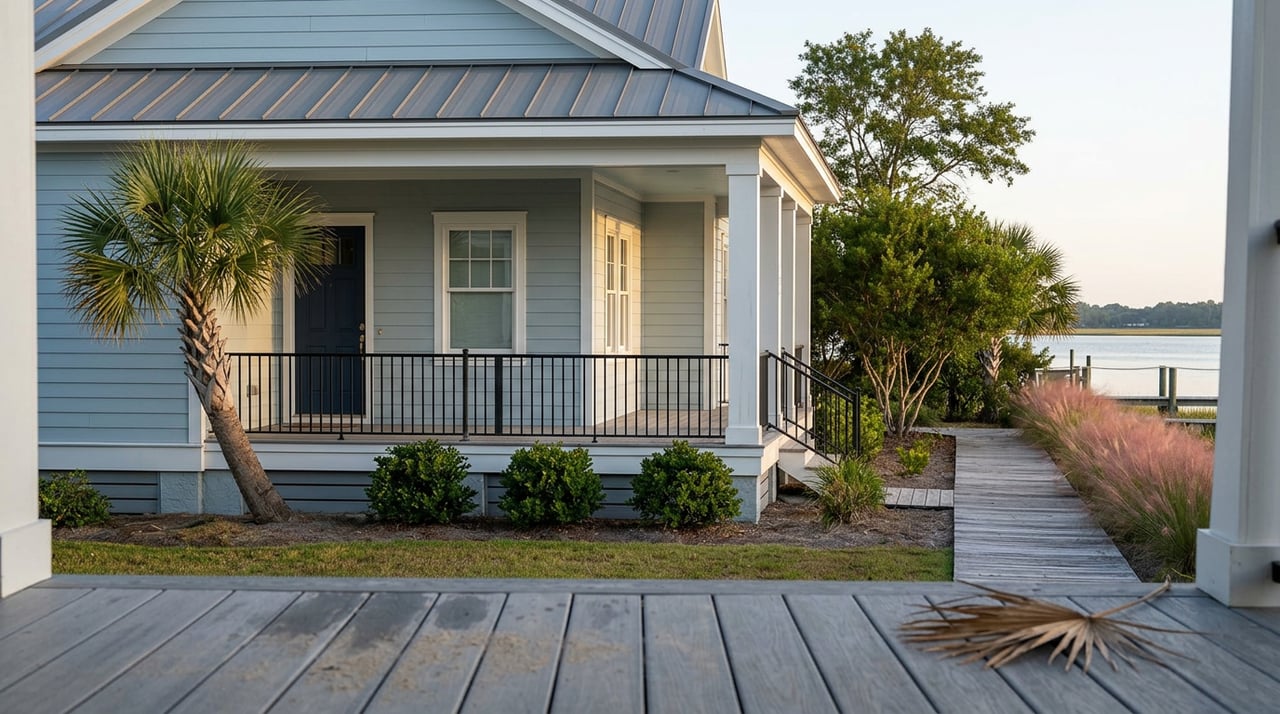
Cape Carteret is not just another coastal stop. The town describes itself as a water-based, low-density residential community with more than 2,200 full-time residents, nearly 8 miles of waterfront, and bridge access to Bogue Banks and the Atlantic Ocean.
That setting gives you a lot to love, but it also makes the primary-home-versus-second-home decision more important. In a place where some owners live year-round and others use homes seasonally, your plans for occupancy affect how you should evaluate the property from day one.
Local ownership costs also matter. For fiscal year 2025-26, Carteret County’s tax rate is 22.5 cents per $100 of assessed value, and Cape Carteret’s municipal tax rate is 14 cents per $100. Property owners in town receive one consolidated county and municipal tax bill.
What counts as a primary home
In simple terms, a primary home is the property you occupy as your main residence. If Cape Carteret will be your everyday base, where you live most of the year, this is usually the category that fits best.
From a financing perspective, lenders look closely at occupancy. A principal residence is the property a borrower occupies as a primary residence, so your intended use needs to match how you apply for the loan.
This matters because the question is not only whether you like the home enough to live there. It is whether you will actually use it as your main place to live, since that drives the financing conversation and can affect other parts of ownership too.
When a primary home may make sense
A primary residence in Cape Carteret may be the better fit if you:
- Plan to live in the home year-round
- Want the home to be your main base in coastal North Carolina
- May qualify for North Carolina property-tax relief tied to a permanent residence
- Prefer the clearest owner-occupant financing path
What counts as a second home
A second home is not your principal residence. It is typically a home you occupy for part of the year while maintaining another main home elsewhere.
Fannie Mae says second-home loans are limited to one-unit properties that are suitable for year-round use, occupied by the borrower for some portion of the year, and under the borrower’s exclusive control. In plain English, that means the home cannot just be a casual vacation idea. It has to meet specific occupancy expectations.
For many Cape Carteret buyers, this category fits the lifestyle. You may want a place near the water for weekends, summer stays, or seasonal use without making it your permanent address.
When a second home may make sense
A second home may be the better fit if you:
- Expect to use the property only part of the year
- Will keep another home as your main residence
- Want personal use in a coastal location without full-time occupancy
- Understand that tax and upkeep planning may look different than it does for a permanent residence
Financing starts with honest occupancy plans
One of the biggest mistakes buyers can make is choosing a label based on what sounds better instead of how the home will really be used. In Cape Carteret, that can create problems early because occupancy rules are a real part of underwriting.
If the home will be your main base, the primary-residence path is usually the cleanest fit. If you will only use it for part of the year, the second-home path is usually more appropriate.
If rental income is a major part of your plan, you should slow down and classify the property carefully before making an offer. The difference between a second home, a rental-use property, and an investment property can change both loan underwriting and tax reporting.
Tax relief usually centers on permanent residence
For many buyers, tax questions are where the primary-versus-second-home difference becomes very real. In North Carolina, several forms of property-tax relief are tied to a permanent residence.
The 2026 AV-9 states that the Elderly or Disabled Exclusion applies to the permanent residence of a qualifying owner. It currently excludes the greater of the first $25,000 or 50% of appraised value, with a 2026 income limit of $38,800.
The Circuit Breaker program also requires the home to be the owner’s permanent residence. Carteret County’s tax-relief summary adds that homeowners who are 65 or older or 100% disabled may qualify for reductions, and some seniors or disabled homeowners who have owned and occupied the home for more than five years may be able to cap taxes at 4% to 5% of income under the deferment program.
For most second-home buyers, that usually means the tax-relief conversation will be different. If the home is not your permanent residence, those programs generally do not line up the same way.
Rental plans change the picture
A lot of coastal buyers ask the same question: What if I want to enjoy the home myself and rent it sometimes too? That is where classification and record-keeping become especially important.
If you rent the property while also using it personally, IRS Publication 527 says you must divide expenses between rental use and personal use. It also says that if a dwelling used as a home is rented for fewer than 15 days during the year, the rental income and expenses generally do not need to be reported on Schedule E.
If you plan to actively market the property as a rental, North Carolina taxes accommodation rentals at the state and applicable local sales and use tax rates. Carteret County also levies a 6% occupancy tax on gross receipts from accommodations.
The county says this applies to rooms or houses rented through platforms such as Airbnb and VRBO, and that the property owner is responsible for collecting and remitting the tax. So if rental income is part of your plan, your second-home decision should include a serious tax and compliance conversation before you buy.
Coastal upkeep deserves a bigger role
In Cape Carteret, ownership is not only about where you sleep. It is also about how you maintain the property, especially if it will sit empty for stretches.
The town requires a zoning permit for regulated development, including new construction and new modular or mobile homes. Projects in regulatory flood zones must also submit surveys and other information for review.
Carteret County handles building-code inspections for Cape Carteret, and the county planning department also manages floodplain and CAMA-related review. On top of that, the town’s flood-damage-prevention code adopts FEMA special flood-hazard areas for Carteret County.
For you as a buyer, that means flood-zone status is not a side note. It is part of the ownership picture. If the property will be a second home, you should expect to pay closer attention to moisture control, storm preparation, insurance planning, and periodic check-ins while the home is unoccupied.
A simple Cape Carteret framework
If you are still deciding, this quick framework can help:
Choose a primary home if
- You want the home to be your main residence
- You want the clearest owner-occupant financing conversation
- You want to explore North Carolina property-tax relief programs tied to permanent occupancy if you may qualify
Choose a second home if
- You want part-year use in Cape Carteret
- You can meet lender occupancy rules for a second home
- You are comfortable planning for added tax, rental, and maintenance details that can come with a non-primary property
Pause and ask more questions if
- Rental income is a major reason for buying
- You are unsure how often you will personally use the property
- You need clarity on whether your lender will view the home as a second home or an investment-style property
How to make the decision with confidence
The right answer comes down to honest use, not just preference. If Cape Carteret will be your everyday home base, a primary residence often gives you the clearest path. If you want a coastal retreat for part of the year, a second home may be the better match, as long as you plan carefully for occupancy rules, taxes, and upkeep.
In a market like Cape Carteret, local guidance matters because coastal ownership has its own moving parts. When you are comparing options, it helps to work with a team that understands not just the home itself, but how your intended use affects the whole transaction.
If you are weighing a full-time move against a second-home purchase in Cape Carteret, TurnkeyRealty can help you sort through the details and find the right fit for your goals.
FAQs
What is the difference between a primary home and a second home in Cape Carteret?
- A primary home is the property you occupy as your main residence, while a second home is one you use for part of the year and not as your principal residence.
How do lenders view a second home in Cape Carteret?
- Lenders generally expect a second home to be a one-unit property suitable for year-round use that you occupy for part of the year and control exclusively.
Can a second home in Cape Carteret qualify for North Carolina property-tax relief?
- Property-tax relief programs discussed by North Carolina and Carteret County are tied to permanent residence, so a typical second home usually does not fit the same tax-relief rules.
What taxes apply if I rent out a Cape Carteret home?
- North Carolina taxes accommodation rentals at state and applicable local sales and use tax rates, and Carteret County levies a 6% occupancy tax on gross receipts from accommodations.
Why does flood-zone review matter when buying in Cape Carteret?
- Cape Carteret and Carteret County require review for certain development and floodplain-related issues, so flood-zone status can affect planning, upkeep, and ownership responsibilities.