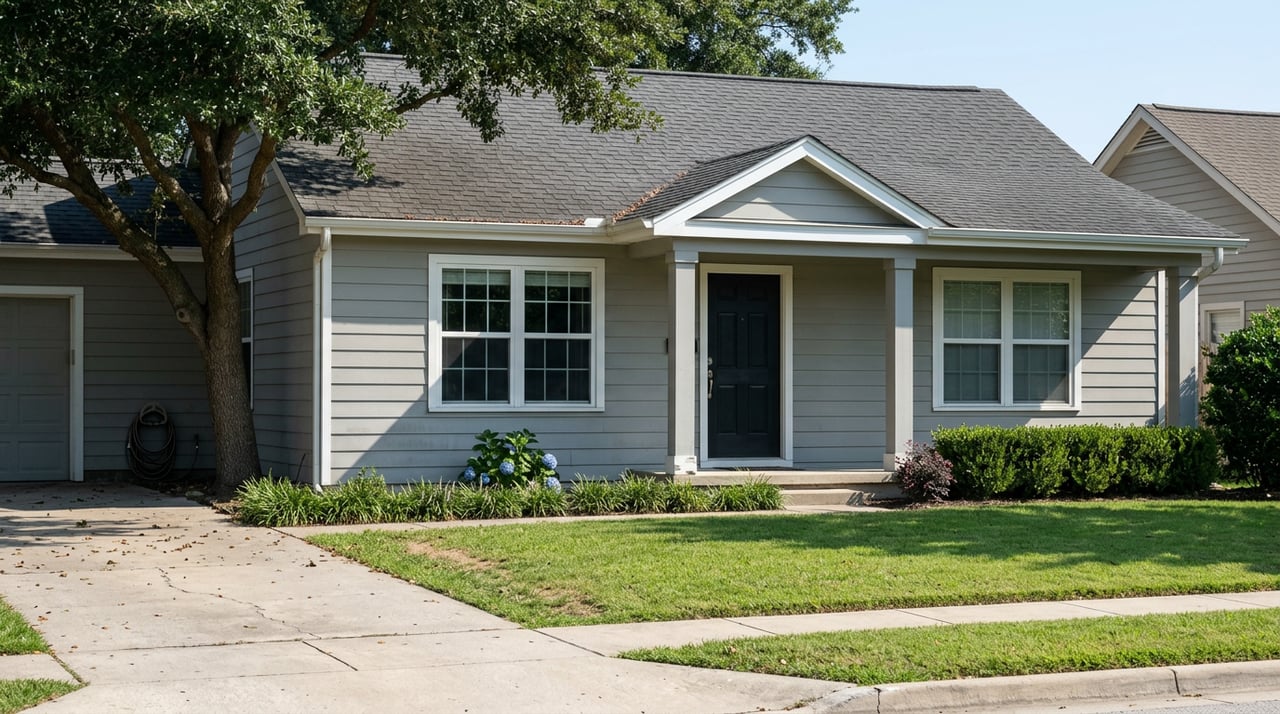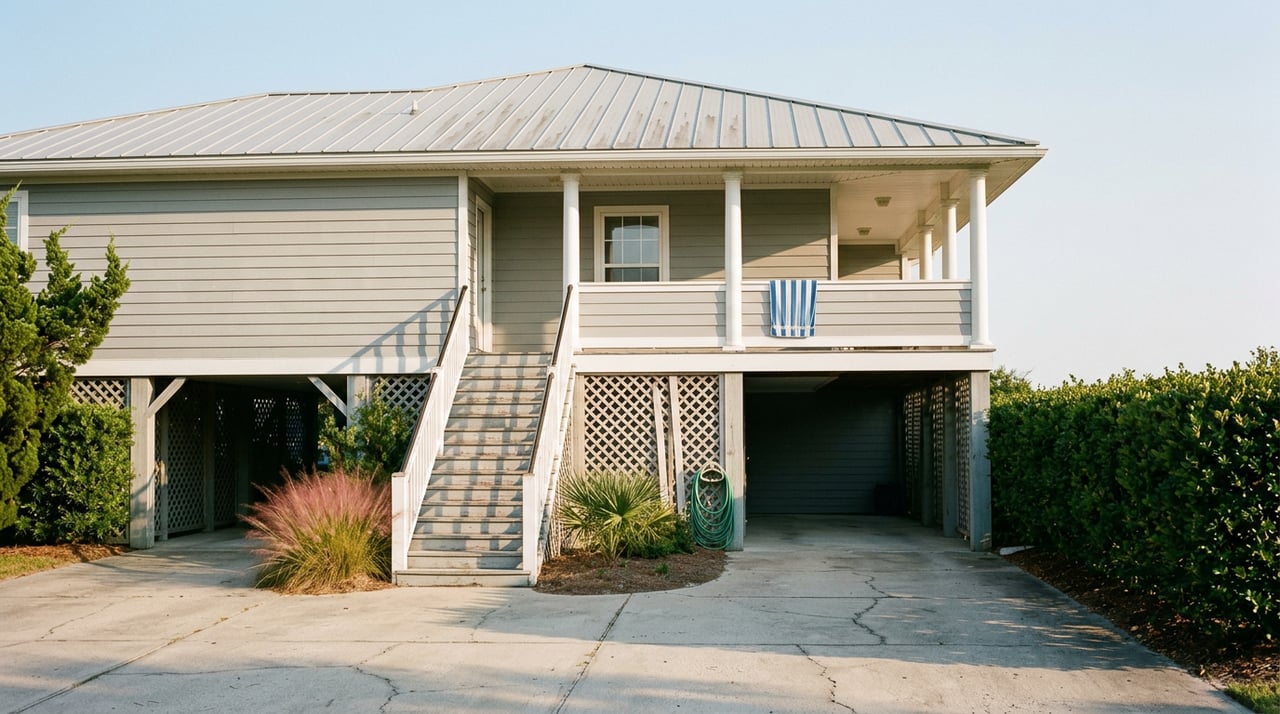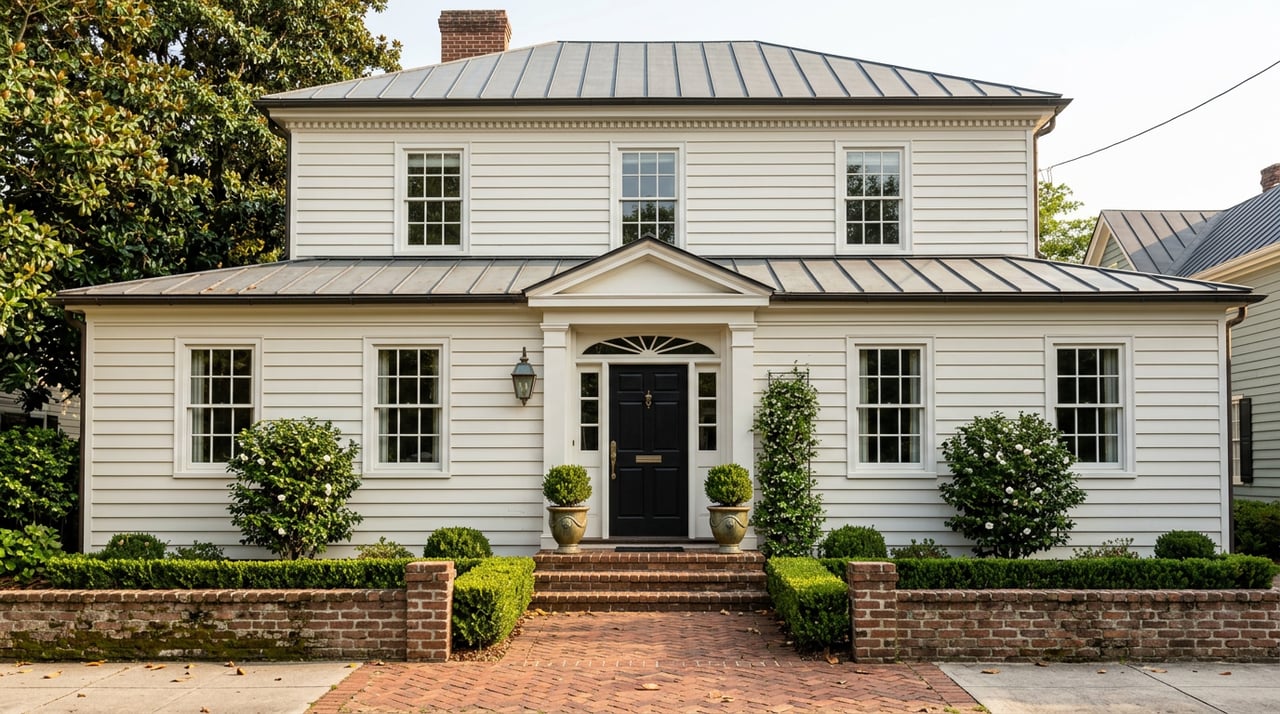
For almost four years, anyone who owned a house on Bay Street, Moore Street, Nash Street, West Street, or West Brown Street in Southport was living with a slow-moving question hanging over their property: would a city commission eventually decide what they could and couldn't do to the outside of their own home, and would a future buyer's appraiser flag that home as nonconforming if it didn't measure up to a standard nobody had voted on yet. On July 2, 2026, the North Carolina General Assembly made the entire question disappear in one bill.
Senate Bill 876 is a wide-ranging local governance measure that touches several municipalities in the Cape Fear region, but Part XIII of the bill does one very specific thing: it abolishes the Southport Historic Preservation Commission and permanently bars the city from creating a new historic district, historic overlay, or preservation commission, or expanding any that already exist. Any historic district already in effect is allowed to stand. Nothing new can be built on top of it.
If you own, or are thinking about selling, an older home inside Southport's historic footprint, this is not a footnote in city politics. It changes what needs explaining on a listing, what a buyer's appraiser will and won't ask about, and what protection the neighborhood's oldest housing stock does and doesn't have going forward. Here's what actually happened, and what's left standing now that it's over.
The Overlay That Almost Was
Southport's Historic Preservation Commission was established by ordinance in September 2022. It met monthly for more than three years and produced a design standards document that ran close to 100 pages, covering everything from paint to fence placement to what happens when a historic property needs to be floodproofed. The commission mapped a proposed overlay covering 386 parcels: 253 dwellings, 60 commercial buildings, 11 religious and institutional buildings, and 20 vacant lots. The boundary would have run along Bay Street, Moore Street, Nash Street, West Street, and West Brown Street, encompassing the entire district first listed on the National Register of Historic Places in 1980 plus a portion of a 2010 boundary amendment.
Under the proposal, any exterior change inside those lines, from new siding to a rebuilt porch, would have needed a Certificate of Appropriateness before any other city permit could be pulled. Minor projects could get a staff sign-off within a few days. Anything the standards classified as major work went to a quasi-judicial hearing before the commission, with the process allowed to run as long as 180 days before a final ruling, a timeline set by state statute rather than city preference.
What Sellers Were Actually Worried About
The opposition wasn't mainly about paint colors. A group of homeowners retained an attorney who argued the overlay risked creating nonconforming status for existing homes that didn't match the new design standards, even though those homes would technically be grandfathered in. The practical concern was blunt: once a property carries a nonconforming label, an appraiser can note it, and that note can make a home harder to sell or finance regardless of whether the owner is ever required to spend a dollar bringing it into compliance. Some residents pointed to specific line items, including language flagging vinyl siding and vinyl windows as inappropriate materials, and asked whether they'd eventually be forced to remove exterior features that were already on their houses.
The debate wasn't one-sided. Jim Brown, who owns the historically registered Thompson-Williamson House on Howe Street and previously served as an alderman, supported the overlay, having watched Southport consider a similar district two decades earlier and pass on it. Gwen Tanner, who has run Mad River Design Studio and Store for 30 years doing renovation work on the town's older properties, argued the opposite case: that Southport's character held up for a century without a commission telling anyone what to do, and a mandatory review process would trade practical craftsmanship for a rulebook.
The overlay went to a public hearing on June 2, 2026. It never got the vote its supporters wanted before the state stepped in.
What Actually Disappeared, and What Didn't
It's easy to read "the historic district got abolished" and assume Southport's older homes lost their special status. That's not what happened. The bill killed the local regulatory layer, not the designation underneath it.
Gone:
- The mandatory Certificate of Appropriateness for exterior work inside the proposed overlay
- The Historic Preservation Commission's authority to approve, deny, or force reversal of exterior changes
- The city's ability to create any new historic district or expand the one that already exists
Unchanged:
- Southport's 1980 National Register Historic District listing and the 2010 boundary amendment
- Eligibility for the 15 percent North Carolina state tax credit on qualified rehabilitation of an owner-occupied contributing property, since that credit runs through the National Register listing administered by the state, not the now-defunct local commission
- The 20 percent federal and 15 to 25 percent state tax credits available for certified rehabilitation of income-producing historic buildings
Here's the side-by-side that matters if you're weighing a renovation before you list:
| Under the proposed 2026 overlay | Under state law today | |
|---|---|---|
| Exterior renovation | Certificate of Appropriateness required before any other permit | No separate local approval required |
| Review body | Historic Preservation Commission, quasi-judicial authority | Abolished by state statute |
| Review timeline | Up to 180 days for a final ruling on major work | Standard city permitting timeline only |
| Enforcement | Commission could compel reversal of noncompliant work | No local enforcement mechanism |
The City's Answer: An Appearance Commission With No Teeth
Southport didn't just let the issue drop. Alderman Karen Mosteller proposed a Historic Preservation Appearance Commission, an advisory body without quasi-judicial authority and without the power to require a Certificate of Appropriateness. Under the plan, a homeowner filing a renovation permit would be encouraged, not required, to meet with the commission within 15 days, and its comments would be strictly non-binding.
As of the city's most recent public meeting agenda in August, aldermen were moving to formally repeal the old HPC ordinance to bring the city's code into line with state law, largely a housekeeping step since the commission itself had already been abolished by the legislature. The appearance commission proposal, first raised in July, was still working its way through the process rather than fully adopted. If you're selling a historic property this fall, that's the current state of play: the old mandatory system is gone, and its voluntary replacement isn't fully in place yet.
What This Means If You're Listing a Historic Home This Fall
A few things follow directly from all of this if you own a contributing property in Southport's historic footprint and you're getting ready to sell.
You no longer need a Certificate of Appropriateness for pre-listing curb appeal work. A new coat of paint, a rebuilt porch rail, re-shingling ahead of photos, none of it requires the sign-off that would have been mandatory under the commission's planned overlay.
The appraisal risk that opponents spent two years warning about isn't a live concern right now. There's no adopted local design standard for a property to be nonconforming to, so that specific friction point in financing has, for the moment, gone away.
Your National Register status hasn't moved. If your home is a contributing property to the 1980 district or the 2010 amendment, that designation and the 15 percent state tax credit for owner-occupied rehabilitation are unaffected by anything the city or the legislature did this summer. That's a real number to put in front of a serious buyer who's already planning a renovation, not a soft selling point.
The one open question worth raising with buyers is predictability. With the design standards shelved rather than adopted, there's no guarantee the next house on the block keeps a matching roofline or material palette. For a buyer who's drawn to Southport specifically because of its uniform 19th and early 20th century streetscape, that's now a conversation to have before an offer, not a code section to point to after closing.
A Few Straight Answers
Do I still need a permit for exterior renovations on a historic Southport home? You need a standard city building permit. You do not need a separate Certificate of Appropriateness, since the local commission that required one was abolished by state law in July 2026.
Is my home still on the National Register? Yes, if it was a contributing property to the 1980 district or the 2010 boundary amendment, that federal and state designation is entirely separate from the city ordinance and wasn't touched by this legislation.
Could Southport try this again? Not through the city alone. Senate Bill 876 permanently bars Southport from creating a new historic preservation commission or expanding its existing district, so any future version of this would require action at the state level, not another aldermen's vote.
Regulatory whiplash like this is exactly the kind of thing that's easy to miss if you're not watching Southport's city agendas closely, and exactly the kind of thing that changes how a listing gets priced, marketed, and explained to a buyer's lender. If you own a historic property in Southport and you're weighing whether now is the right time to sell, or you want a straight read on what a renovation project is actually worth before you list it, Turn-Key Realty works this market every day. Reach out to KP Parker's team for a home valuation and a conversation about what your specific address is worth under the rules as they stand today.