Torn between morning coffee on the river and a stroll to dinner on Middle Street? You are not alone. Many New Bern buyers weigh the pull of the waterfront against the energy and convenience of downtown. In this guide, you will compare daily routines, upkeep, permitting, commutes and resale signals so you can choose a home base that fits how you live. Let’s dive in.
Quick New Bern snapshot
New Bern is a small coastal city of roughly 31,000 to 34,000 residents with a mean commute time of about 18 minutes and a median household income in the upper $50ks to low $60ks, according to Census QuickFacts. Many residents drive to work, and commute times are shorter than in larger metros. That gives you more choice on where to live without a punishing daily drive.
Downtown living: walkable and historic
What you will find
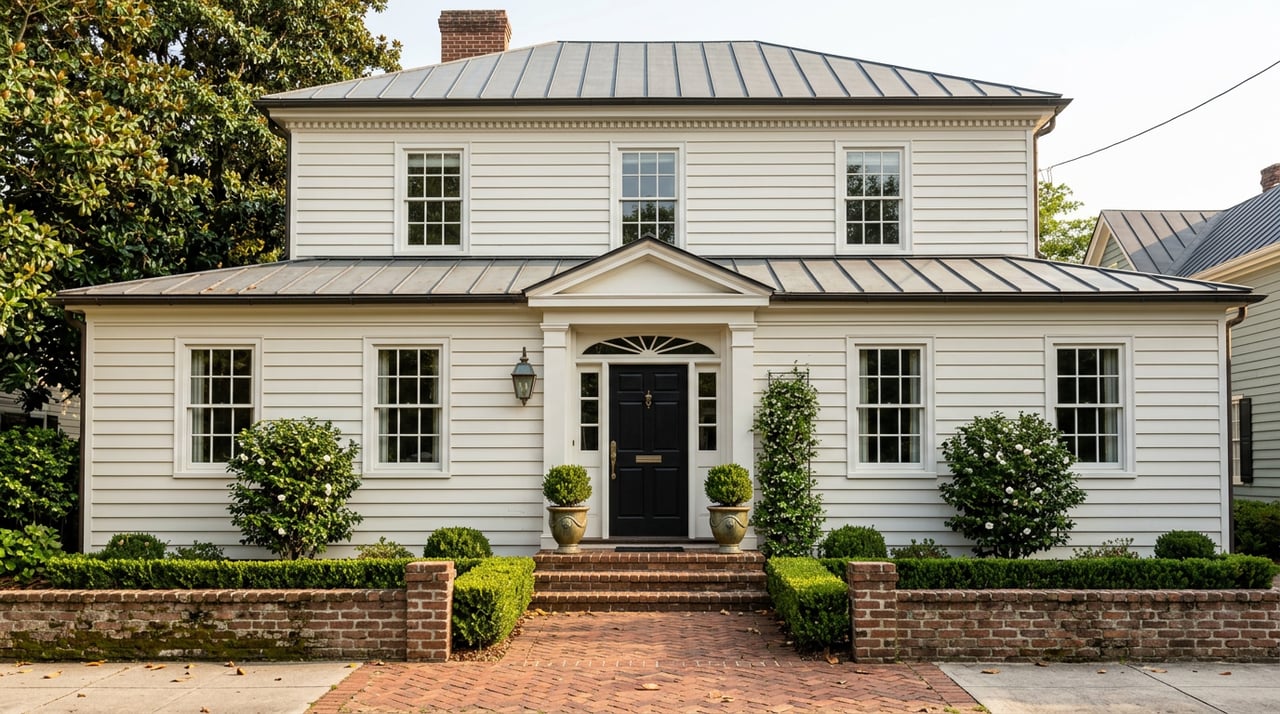
Downtown centers on the New Bern Historic District with 18th to early 20th century architecture. You will see Victorian, Federal and Colonial Revival homes on smaller lots, often with deep porches and mature trees. Cultural anchors like Tryon Palace and the Birthplace of Pepsi add to the sense of place. Learn more about the area’s historic fabric from the state’s archives on New Bern’s historic buildings.
Lifestyle and convenience
If walkability is a top priority, downtown is your best bet. Neighborhood pages on Walk Score consistently rate the historic core as New Bern’s most walkable area, which means restaurants, galleries and riverfront parks are often a short stroll away. See how downtown compares using Walk Score’s New Bern listings. Regular outings might include Union Point Park, Tryon Palace events, and local festivals. For a taste of the calendar, explore Tryon Palace’s events and collections.
Ownership tradeoffs
Older homes need thoughtful upkeep. You may face upgrades to wiring or plumbing, and exterior changes can require Historic Preservation Commission review. Plan extra time and budget for approved materials and design steps. The state provides helpful context on historic district oversight.
Waterfront living: boats, views and space
What you will find
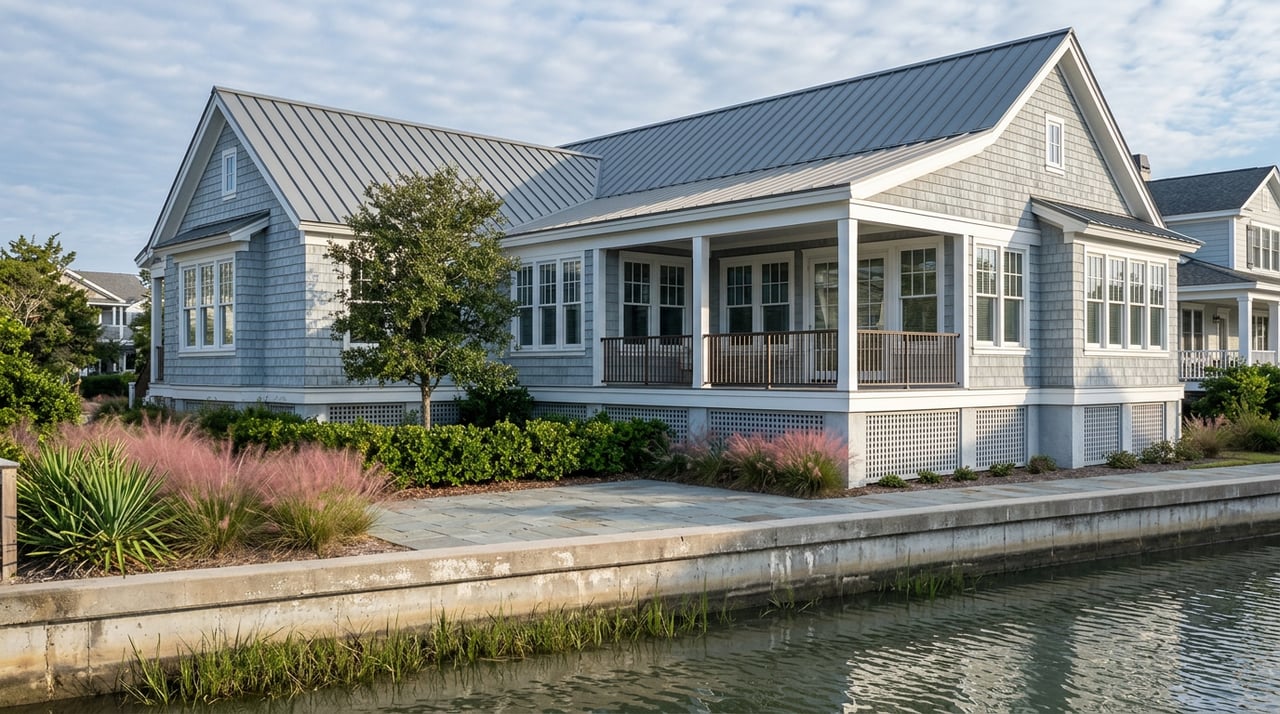
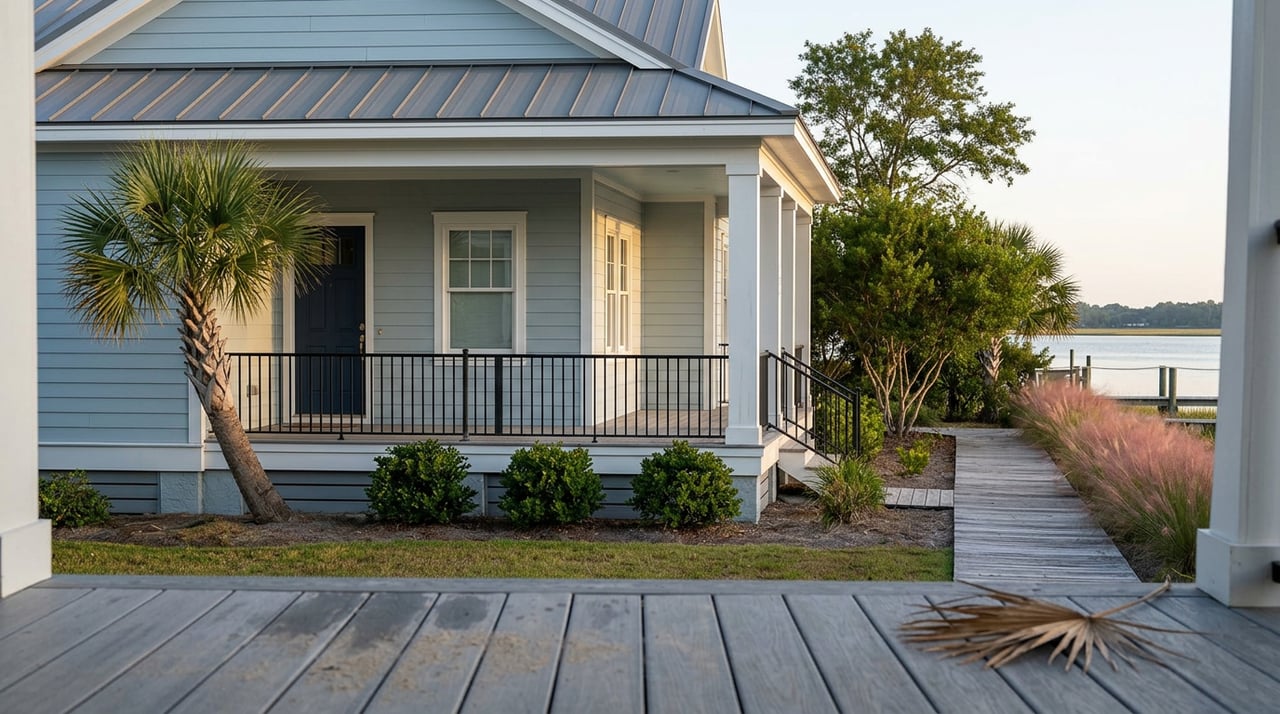
Waterfront communities range from Fairfield Harbour with marinas and amenities to river and creek lots along the Neuse, Trent and Broad Creek. Homes may be elevated on pilings, and many properties include docks, lifts or bulkheads. Lot sizes often feel larger, with water access shaping day-to-day life.
Lifestyle and access
The draw is clear if you love boating, paddling or fishing. Expect a car-first routine for errands, but easy access to marinas, launch points and water trails. For a feel of local outings on the water, check this round-up of New Bern marinas and water adventures.
Ownership tradeoffs
Waterfront homes often carry higher routine maintenance. Think dock and bulkhead repairs, salt-air wear and attention to elevation systems. Flood exposure and wind events also shape construction and insurance choices. You will want to verify flood zone, elevation and expected insurance early in your search.
Daily routine: walkability, commutes and amenities
- Walkability: Downtown offers the strongest foot-friendly lifestyle. Waterfront neighborhoods provide on-site recreation but typically require driving for dining and retail. Check relative walkability with Walk Score’s local pages.
- Commutes: The mean travel time is about 18 minutes citywide per Census QuickFacts. Major employment hubs include CarolinaEast Health System and the Fleet Readiness Center East at MCAS Cherry Point. See an overview of top local employers.
- Amenities: Downtown packs restaurants, shops, riverfront parks and seasonal festivals. Waterfront communities trade that for marinas, clubhouses, golf and direct water access.
Costs and requirements to budget
Flood zones, elevation and insurance
Start with the facts. Look up the property’s flood zone and Base Flood Elevation on the state’s FRIS flood mapping portal. If the home sits in a Special Flood Hazard Area, your lender may require a separate flood policy. Premiums depend on zone, elevation and mitigation. For basics on coverage and quotes, review the NAIC flood insurance guide. It is also smart to consider long-term water-level exposure. NOAA’s tools help you visualize nuisance or high-tide flooding on estuaries and rivers; explore the sea level rise viewer.
Coastal construction and retrofits
On many waterfront parcels, best practices include elevated open foundations, flood-resistant materials below the base flood elevation and raised mechanicals. Expect different maintenance needs and costs than a typical in-town house.
Docks, shoreline work and permits
Building or expanding a dock can trigger federal and state reviews. Many small projects use the Army Corps of Engineers’ Nationwide Permit framework, but you may still need a pre-construction notification or specific conditions. Before you buy, confirm existing permits and what is allowed for the parcel through the Nationwide Permit rules.
Historic district review
If you choose downtown inside the historic district, exterior changes often require a Certificate of Appropriateness. That can add time and specific material requirements but helps preserve neighborhood character. The state’s resources on historic district guidelines are a good starting point.
HOAs and POAs
Waterfront developments often have active associations that manage marinas, architectural rules and common areas. Confirm dues, reserves, slip policies and any recent or pending special assessments before you commit.
Resale and who each option fits
- Waterfront resale: Water views and boat access can command a premium and attract a focused buyer pool. Be ready to document elevation, flood coverage, dock permits and recent bulkhead or dock work to support value.
- Downtown resale: Well-maintained historic homes with documented upgrades and compliant exterior work often appeal to buyers who want walkability and charm. Expect smaller lots and older-house maintenance to be part of the value conversation.
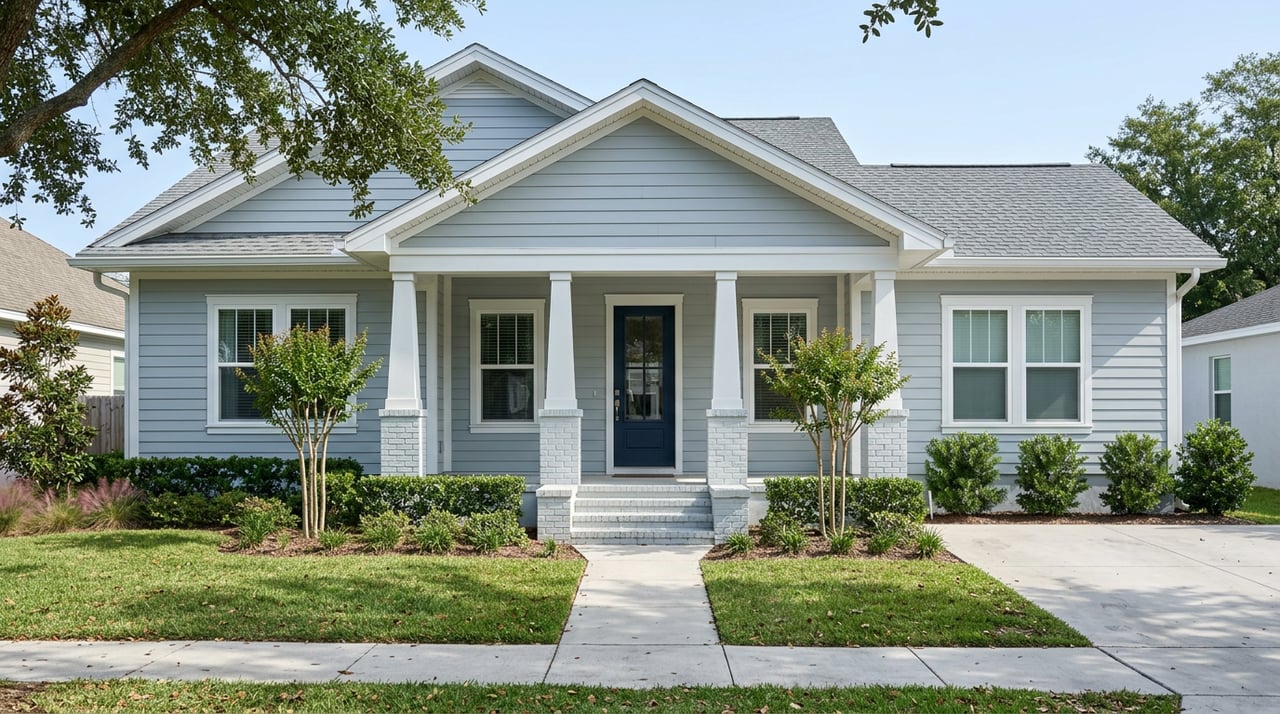
- Newer in-town pockets: If you want garages, yards and a simpler maintenance profile with a short drive to services, newer subdivisions can be a strong fit. They attract a wide range of buyers who prefer modern systems and suburban convenience.
How to choose your New Bern home base
Ask yourself these five quick questions:
- Do you want to walk to dinner and events most nights, or launch a boat most weekends?
- Is a car-light lifestyle important, or are you fine driving for errands if you gain water access and space?
- Are you comfortable budgeting for flood insurance and dock upkeep, or do you prefer typical in-town maintenance?
- Will your commute include Cherry Point or medical shifts, and how much does time in the car matter?
- Do you enjoy old-home projects and historic review, or do you prefer newer systems and simpler approvals?
When you are ready to compare addresses, bring a local guide. A seasoned coastal agent can pull elevation certificates, estimate insurance, confirm dock permissions and explain historic review so there are no surprises at closing. If you want practical, hands-on help narrowing your list and negotiating the right tradeoffs, connect with TurnkeyRealty for a local game plan.
FAQs
What is the average commute time in New Bern?
- The mean travel time to work is around 18 minutes, which gives most buyers flexibility on neighborhood choice without a long daily drive.
How walkable is downtown New Bern compared with waterfront areas?
- Downtown offers New Bern’s most walkable lifestyle with many errands on foot, while most waterfront communities are car-dependent for dining and retail.
What permits do I need to add or expand a dock on the Neuse or Trent River?
- Many small projects fall under the Army Corps Nationwide Permit framework, but you should verify parcel-specific conditions and prior approvals before you buy.
Do historic homes in New Bern require special approvals for exterior work?
- Yes, properties inside the historic district often need Historic Preservation Commission review and a Certificate of Appropriateness for exterior changes.
What should I check before buying a waterfront home in New Bern?
- Confirm flood zone and elevation, request recent dock or bulkhead inspections, review HOA or POA dues and reserves, and get address-specific flood insurance quotes early.