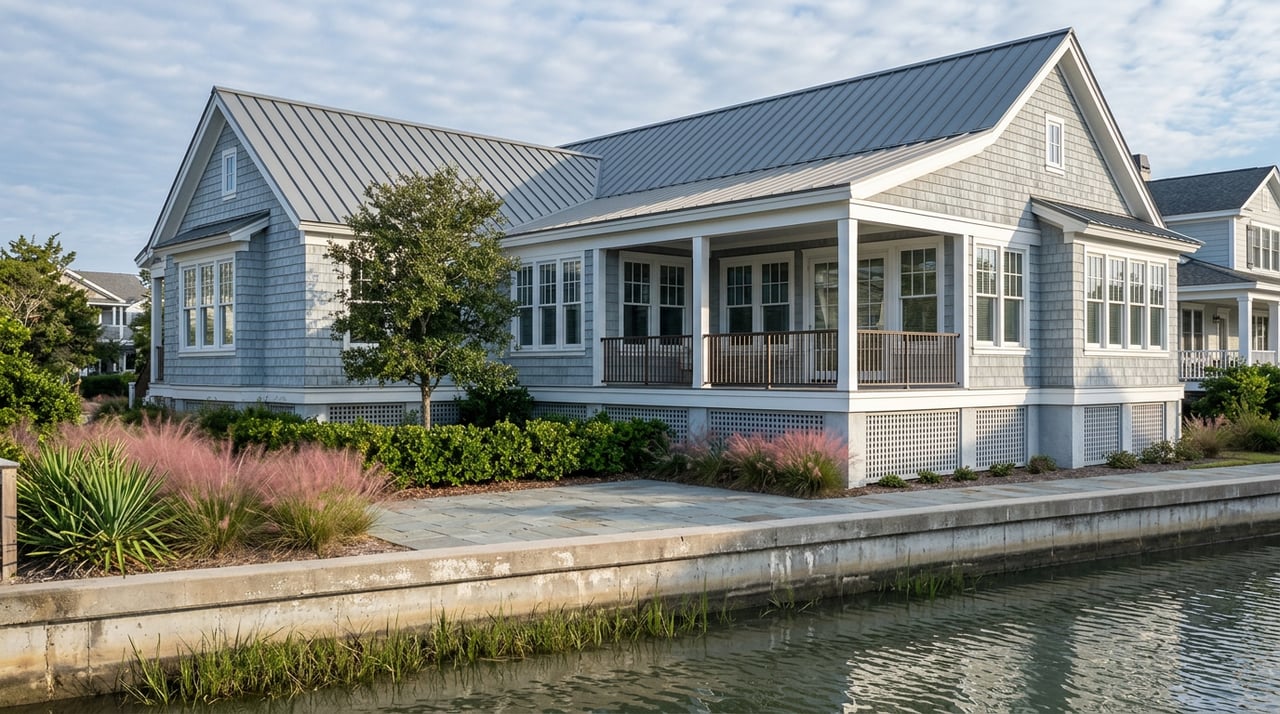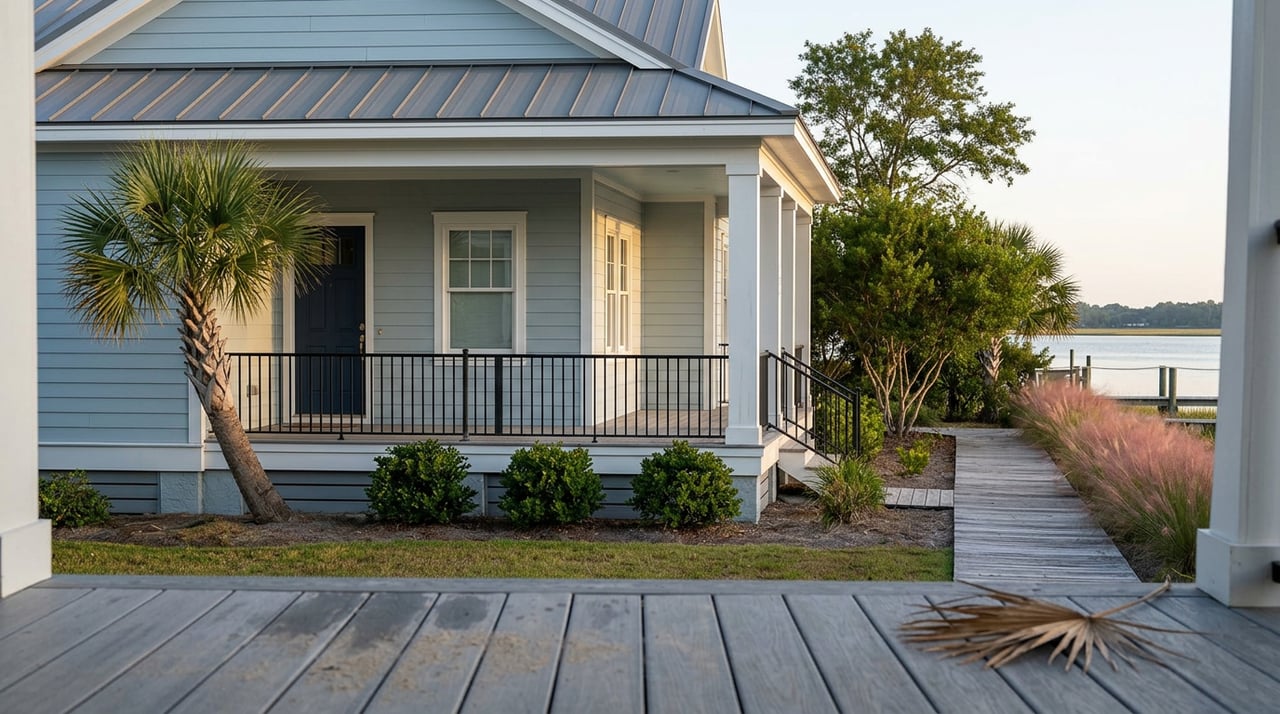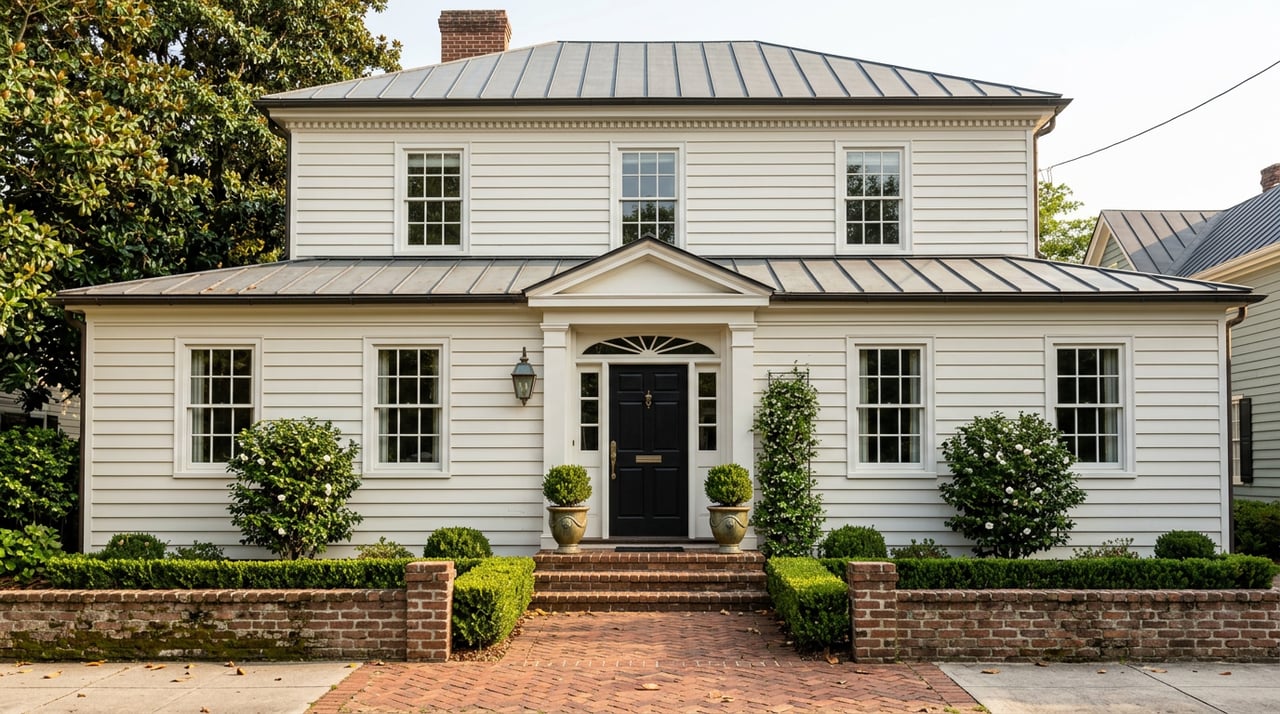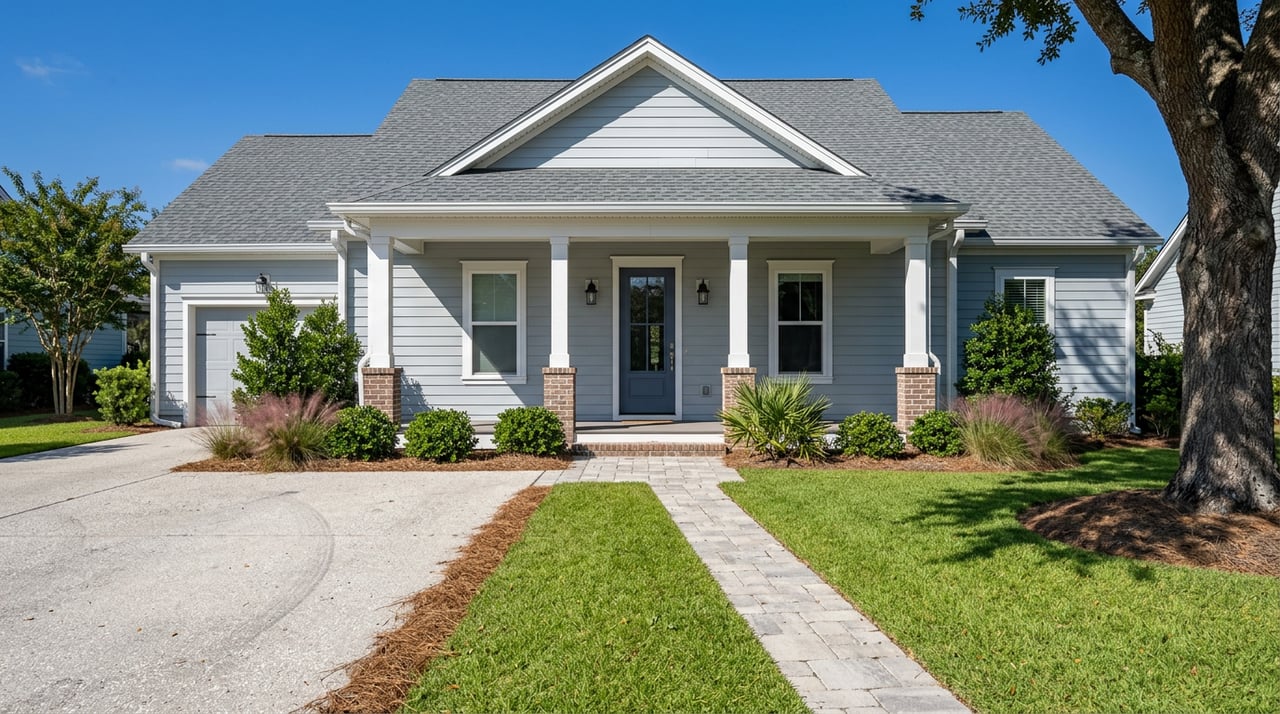
Dreaming of weekends on Bogue Sound and easy trips to Emerald Isle? If you are eyeing a second home in Cape Carteret, you are not alone. The area offers small-town ease, water access, and a laid-back coastal lifestyle. In this guide, you will learn what to check before you buy, from financing and taxes to zoning, insurance, and coastal maintenance. Let’s dive in.
Why choose Cape Carteret
Cape Carteret sits on North Carolina’s Crystal Coast with neighborhoods like Old Cape Carteret, Bayshore Park, and Star Hill/Club Point. The town provides a helpful hub for local services, parks, and contacts on its official website. Inventory can be limited, so you want to be ready to act when the right place hits the market.
Home values vary by size, age, and proximity to the water. Market aggregators have reported typical single-family median values in the mid-300s to mid-400s. Use current comps and your budget to set a smart price range, and plan for coastal ownership costs that differ from inland homes.
Know your numbers early
Buying a second home is not the same as buying your primary residence. Agency guidelines treat second homes differently, and many lenders apply stricter down payment and liquid reserve rules. Get a preapproval that is specific to a second-home loan and ask about occupancy, reserve requirements, and how occasional renting could affect underwriting.
Property taxes include both a municipal component and the county rate. The Town publishes budget materials that show the municipal piece, but your total bill depends on your parcel and county rate. Confirm current county and municipal rates before you write an offer so your annual costs are clear.
Planning to rent part-time
Many second-home owners rent a few weeks per year to offset costs. In Carteret County, accommodations that are subject to state sales tax are generally subject to a 6 percent occupancy tax on gross rental receipts. Owners are responsible for making sure occupancy tax is collected and remitted, and monthly returns are typically due by the 20th for the prior month. Some platforms may remit for you, but you should verify and keep documentation.
For federal income taxes, know the 14-day rule. If you rent your dwelling for fewer than 15 days in a year and use it personally the rest of the time, the rental income is not reportable to the IRS. Beyond that, typical rental income and expense rules apply. Always consult a tax professional for your situation.
Zoning, UDO and HOA checks
Before you buy, confirm what the property can be used for. The Town Code and Unified Development Ordinance outline permitted uses, standards for accessory structures, and whether any special permits apply. If you plan to rent short term, call the Town Planning office to confirm current rules and any registration steps.
If the home is in a subdivision with an owners’ association, review the recorded covenants, bylaws, budget, and meeting minutes. CCRs can limit short-term rentals, set minimum lease terms, or control parking and docks. Ask about rental caps, transfer fees, and any pending special assessments. A thorough review now helps you avoid surprises later.
Flood, wind and coastal insurance
Coastal homes come with specific risk planning. Lenders may require flood insurance depending on the property’s flood zone and base flood elevation. Many homeowners also carry separate wind and hail coverage. Review hurricane or named-storm deductibles, which are often percentage based. Ask carriers about mitigation credits for features like shutters, elevated utilities, or FORTIFIED elements.
Hurricane season runs June through November, with peak activity in late summer and early fall. Build a storm plan that covers securing outdoor items, shutting off utilities if advised, and who will check the property if you are away. Get quotes early so you can compare coverage details and deductibles side by side.
Utilities, septic and waterfront details
Cape Carteret has public water service, but there is no centralized wastewater system in town. Many homes use on-site septic systems. During due diligence, request pump and inspection records, and hire a licensed professional to inspect the system. Septic repairs or replacements can affect both cost and how you use the property.
If the home has waterfront features, review dock, bulkhead, and boathouse rules. Some HOAs require approvals, and permits may apply for new or expanded structures. Budget for ongoing dock maintenance and insurance.
Ownership and seasonal maintenance
Coastal conditions mean extra attention to systems and finishes. Focus inspections on the roof and flashing, foundation elevation, siding, windows, and any waterfront structures. HVAC components exposed to salt air may need more frequent service, and many owners choose generators or elevated mechanicals for added resilience. Keep records of storm-related repairs and upgrades.
The town offers resident access to certain parks and water-entry points, often with passes or parking rules. Review pass options and guidelines so you know which amenities you can use as a property owner.
Self-manage or hire help
If you plan to rent, decide whether you will self-manage or hire a local property manager. Factor in guest communications, cleanings, routine maintenance, and storm readiness. Ask potential managers about response times, vendor networks, emergency funds procedures, and how they handle damage and neighbor concerns. Build these costs into your return estimates.
How Turn-Key Realty supports you
You want a second home that fits your lifestyle and your budget with as few surprises as possible. Turn-Key Realty is a boutique, local brokerage serving eastern North Carolina’s coastal corridor, including Carteret County. You get a high-touch team that coordinates the details that matter, from offer strategy and inspections to local vendor introductions and transaction management.
We combine deep coastal market knowledge with practical, end-to-end support. You will get clear guidance on due diligence, neighborhood context, and contract timelines. If you decide to sell later, our in-house marketing and staging capabilities are built to present coastal homes at their best. You focus on the lifestyle while we help you move with confidence.
Your due-diligence checklist
Use this list to move from dreaming to doing:
- Confirm permitted uses: review the Town Code and UDO and call the Town Planner about short-term rentals, accessory structures, and docks. Start at the Town of Cape Carteret website.
- Request HOA documents: recorded covenants, current bylaws, recent meeting minutes, annual budget, and any rental policies. As an example of a local community, review the Star Hill & Country Club Point materials for how CCRs work in practice (protective covenants page).
- Verify septic: ask for pump and inspection records and include a septic inspection contingency if applicable. The Town’s Public Works page explains the local wastewater context (public works overview).
- Check flood risk: search the FEMA Map Service Center by the property address to confirm flood zone and base flood elevation (FEMA Flood Map Service Center).
- Confirm taxes: add municipal and county property tax components for your parcel. The Town posts budget materials that show the municipal piece (budget document example).
- Calculate occupancy tax: if you rent, budget for the county’s 6 percent occupancy tax and monthly filings. Owners are responsible, even if a platform remits on your behalf (Carteret County occupancy tax FAQ).
- Price insurance early: speak with a coastal-savvy agent about wind and hail deductibles, flood coverage, and mitigation discounts. Keep an eye on storm season timing and planning resources (National Hurricane Center).
- Get a second-home preapproval: ask lenders about down payment thresholds, reserve requirements, and occupancy rules under agency guidelines (Fannie Mae guidance).
- Understand federal tax basics: if you rent fewer than 15 days a year, that income is generally not reportable. Beyond that, typical rental rules apply. Start with the IRS overview and talk to your tax pro (IRS Topic 415).
Ready to walk through options in Cape Carteret and build a clear plan? Reach out to TurnkeyRealty for a friendly consult and local guidance tailored to your goals.
FAQs
What is different about a second-home mortgage in Cape Carteret?
- Lenders apply stricter rules than primary homes, often requiring larger down payments and liquid reserves, along with occupancy standards. Get a preapproval specific to a second-home loan and ask about reserve and rental-use policies.
How do occupancy taxes work for part-time rentals in Carteret County?
- Accommodations subject to state sales tax are generally subject to a 6 percent county occupancy tax on gross rental receipts. Owners must ensure tax is collected and remitted, with monthly returns typically due by the 20th for the prior month.
Do I need flood insurance for a Cape Carteret second home?
- It depends on the property’s flood zone and your lender. Search the FEMA Flood Map Service Center by address and discuss both flood and wind coverage with a coastal insurance agent before you finalize an offer.
How can HOA rules affect my plans to rent?
- CCRs can limit or prohibit short-term rentals, set minimum lease terms, and control parking and guest access. Always review recorded covenants, bylaws, budgets, and meeting minutes before you close.
Are most Cape Carteret homes on septic systems?
- Many are. Confirm the home’s wastewater setup, request pump and inspection records, and include a septic inspection contingency if applicable. Repairs can affect both cost and use, so verify early.
When is hurricane season and what should I budget for?
- The Atlantic season runs June through November, with peak activity in late summer and early fall. Budget for separate wind and hail coverage, a flood policy if required, and percentage-based hurricane or named-storm deductibles.