Wondering whether selling a historic home in New Bern will be more complicated than a typical sale? In many cases, the answer is yes, but that extra complexity can also become part of your home’s appeal. If you own a historic property, you need to understand how local rules, buyer expectations, and smart pre-listing prep can shape the outcome. Let’s dive in.
Why historic status matters in New Bern
New Bern has four National Register historic districts: Downtown, Riverside, Ghent, and DeGraffenried. Of those, Downtown and Riverside are also locally designated historic districts, which means certain exterior changes are legally reviewed and protected by the City.
That distinction matters when you sell. A buyer may love the original character of your home, but they also need to understand that future exterior changes could be subject to review by the City of New Bern Historic Preservation Commission.
North Carolina law supports the broader idea that historic preservation can help stabilize and increase property values and strengthen the economy. That does not mean every historic home will sell at a premium, but it does mean preserved character can be a meaningful part of your marketing story.
What buyers will want to know
When buyers consider a historic home in New Bern, they are usually weighing two things at once: charm and responsibility. Original details, mature landscaping, and a recognizable architectural style can create strong interest, but buyers also want clarity about upkeep, restrictions, and condition.
That is why your listing needs to do more than look attractive. It should help buyers understand what is original, what has been updated, and what they may need to plan for after closing.
Historic designation and restrictions
North Carolina’s required residential disclosure form specifically asks whether a property has any historic designation or registration that places a restriction on it. If your home is in a protected district or subject to another recorded restriction, that is something buyers should expect to see addressed clearly.
Some New Bern properties may also have private preservation easements or covenants. The New Bern Historical Society notes that the New Bern Preservation Foundation holds interior preservation easements on many historic properties, which makes title review especially important.
Age and system details
The state disclosure form also asks about the year the dwelling was constructed and issues involving the roof, chimney, foundation, basement, windows, doors, plumbing, electrical systems, drainage, flood hazard status, wood-destroying insects, and other defects. Those topics tend to matter even more in older homes because buyers often expect a higher chance of deferred maintenance or outdated systems.
For you as a seller, this means preparation matters. The more clearly you can document the home’s condition and history, the smoother your sale is likely to feel.
Exterior changes can affect your timeline
If your home is in one of New Bern’s locally designated historic districts, exterior work is not something to handle casually right before listing. City guidelines say that any exterior change, including significant landscaping, should be checked with Development Services to see whether a Certificate of Appropriateness is required.
Major work such as additions, infill construction, and demolition requires Historic Preservation Commission approval. Some minor work may be handled administratively, while ordinary maintenance or repair that does not change the design, material, or appearance is generally allowed.
The key point is simple: do not assume a project is exempt just because it seems small. Even work that feels cosmetic can affect your timeline if approval is needed.
Who to contact before making updates
For exterior questions, the best first step is to contact City of New Bern Development Services or the Historic Preservation Commission administrator. The City’s guidelines say staff can provide free technical advice and design assistance before a Certificate of Appropriateness application is filed.
That can be especially helpful if you are trying to decide whether to repaint, repair windows, adjust landscaping, or tackle porch work before your home goes on the market. Getting clarity early can help you avoid delays and help buyers feel more confident that work was handled correctly.
Pricing a historic home takes nuance
Historic homes are not priced by age alone. In New Bern, buyers often look closely at condition, originality, and the likely cost of future work, especially when exterior character must be preserved.
That means two homes with similar square footage can land in very different pricing ranges. Original features may add appeal, but buyers will still measure those features against inspection concerns, maintenance needs, and the limits on future alterations.
A smart pricing strategy usually accounts for:
- The home’s overall condition
- The presence and condition of original architectural details
- Recent updates to major systems
- Any known restrictions or easements
- Likely buyer concerns about future repairs or approvals
This is where local market knowledge matters. You want pricing that respects the home’s character without ignoring the practical questions buyers will ask.
Inspections will be a big part of the sale
Home inspections are often pivotal in any sale, but they can carry even more weight with historic homes. Buyers tend to pay close attention to structural or foundation issues, electrical panels, plumbing, HVAC, floor joists, and drainage.
If the report raises concerns in those areas, it can change the buyer’s comfort level quickly. That is one reason many sellers benefit from knowing about issues before the home hits the market.
Why a pre-listing inspection can help
A pre-listing inspection can reduce surprises. It gives you a chance to identify larger concerns, such as a failing roof, plumbing problem, or outdated electrical panel, before a buyer discovers them during due diligence.
That does not mean you have to fix everything. It means you can make informed decisions about repairs, pricing, and how to present the home honestly and confidently.
Disclosures need to be timely and accurate
In North Carolina, sellers must provide the required disclosure statement by the time a buyer makes an offer. If the disclosure is missing, the buyer may have a right to cancel, and if something changes after delivery, the seller must promptly provide a corrected disclosure or fix the issue.
Most residential sales also require a separate mineral and oil and gas rights disclosure. It is also important to know that a seller’s choice to make no representation does not remove a broker’s obligation to disclose material facts.
For a historic home, careful disclosure is especially important because age, restrictions, and repair history are often central to the buyer’s decision. Clear paperwork helps reduce confusion later in the transaction.
Staging should highlight character, not hide it
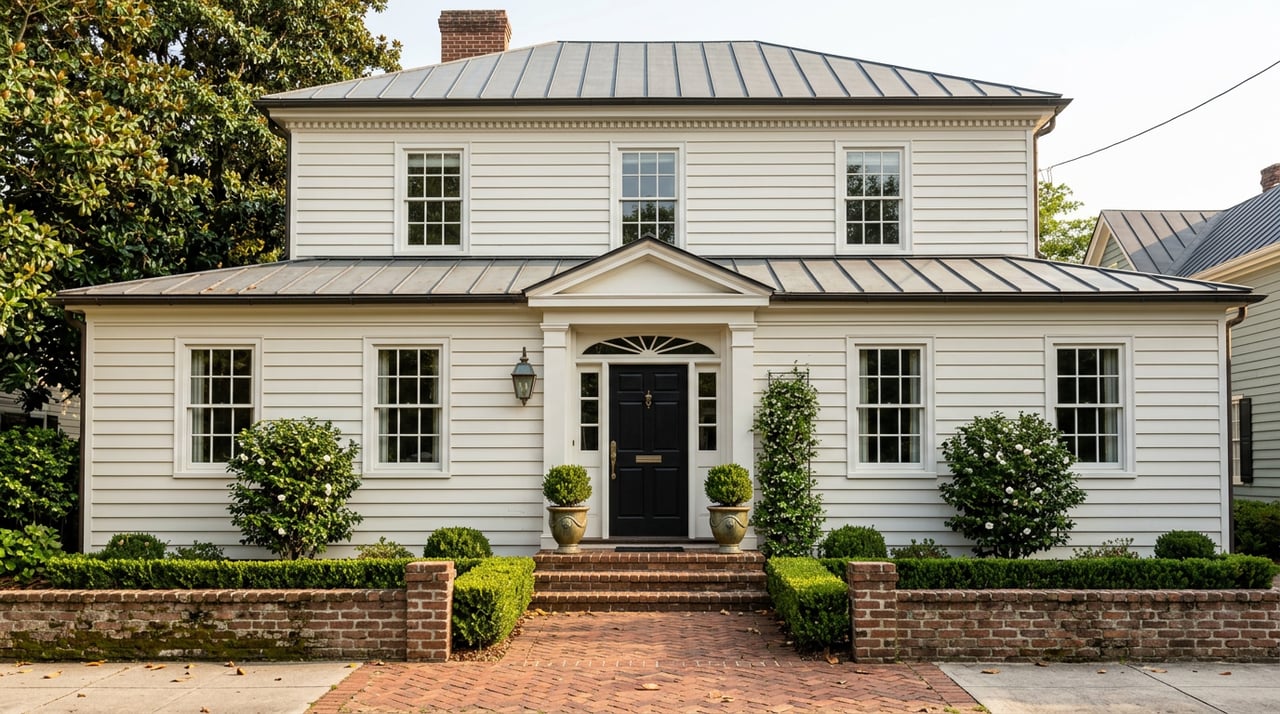
Historic homes usually stand out because of details that newer homes cannot easily replicate. Original trim, older windows, doors, porches, rooflines, and craftsmanship are often part of what makes buyers stop and look.
Your goal with staging is not to modernize everything until it feels generic. Your goal is to reduce visual clutter so the home’s scale, texture, and period details are easy to see in person and in marketing photos.
According to the 2025 NAR staging report, most buyers’ agents say staging makes it easier for buyers to visualize a home, and photos remain the most important listing asset. For historic homes, that means thoughtful presentation can make a major difference before a showing is ever scheduled.
Best rooms to focus on first
The same staging report found that the living room, primary bedroom, kitchen, and dining room are the spaces most often staged. In a historic New Bern home, those areas often carry some of the strongest visual character.
Focus on making those rooms feel bright, open, and easy to understand. Decluttering and simplifying furniture placement can help original features read more clearly without stripping away the home’s personality.
Photos and marketing need to answer questions fast
Many buyers start their search online and place high value on photos, detailed property information, and floor plans. That is especially true for a historic home, where buyers may be trying to understand both charm and condition before they commit to a showing.
Strong marketing should show the home’s standout details while also creating confidence. Clear photos, accurate descriptions, and a thoughtful presentation of updates can help attract buyers who appreciate historic properties and understand what they are seeing.
For sellers, this is where a hands-on marketing approach can pay off. Coordinated staging, professional photography, and organized listing details can help your home feel compelling instead of confusing.
A practical pre-listing plan for sellers
If you are getting ready to sell a historic home in New Bern, a little structure can go a long way. Before listing, it helps to work through the basics in a logical order.
Here is a practical checklist to keep in mind:
- Confirm whether your home is in a locally designated historic district
- Check with New Bern Development Services before starting exterior work
- Gather records for repairs, updates, and known restrictions
- Review likely disclosure items carefully
- Consider a pre-listing inspection
- Declutter key rooms and preserve visible historic details
- Plan professional photography that highlights character and condition
- Price with both charm and repair reality in mind
Selling a historic home is rarely a plug-and-play process. But with the right prep, you can present the property in a way that respects its history and gives buyers the confidence to move forward.
If you are thinking about selling a historic home in New Bern, TurnkeyRealty can help you plan the prep, marketing, and next steps with a practical, hands-on approach.
FAQs
What makes selling a historic home in New Bern different?
- Selling a historic home in New Bern can involve added disclosure items, closer buyer scrutiny of condition, and possible review of exterior changes if the property is in a locally designated historic district.
What historic districts are in New Bern?
- New Bern has four National Register historic districts: Downtown, Riverside, Ghent, and DeGraffenried. Downtown and Riverside are also locally designated historic districts with local review of certain exterior changes.
What is a Certificate of Appropriateness in New Bern?
- A Certificate of Appropriateness is City approval that may be required for exterior changes in New Bern’s locally designated historic districts, including certain landscaping, additions, and demolition-related work.
What should sellers disclose for an older historic home in North Carolina?
- Sellers should expect to address historic designation or restrictions, the home’s age, and known issues involving the roof, chimney, foundation, basement, windows, doors, plumbing, electrical systems, drainage, flood hazard status, wood-destroying insects, and other material defects.
Should you get a pre-listing inspection for a historic home in New Bern?
- A pre-listing inspection can be helpful because it may uncover issues with structural components, electrical systems, plumbing, roofing, or drainage before a buyer’s inspection creates surprises.
How should you stage a historic home for sale in New Bern?
- Stage a historic home by reducing clutter and helping original features stand out, especially in the living room, primary bedroom, kitchen, and dining room, while keeping the home true to its character.