Torn between a wraparound porch with 100 years of stories and a fresh, open layout that needs nothing on day one? In New Bern, both choices are compelling for different reasons. You want character, low maintenance, and a smart long-term investment. This guide breaks down how historic homes and new builds stack up on cost, timelines, energy, insurance, and resale so you can choose with confidence. Let’s dive in.
What makes New Bern different
Rivers and flood risk
New Bern sits where the Neuse and Trent Rivers meet, so flood risk is a core part of homeownership here. Some neighborhoods fall within FEMA Special Flood Hazard Areas, which affects lending, insurance, and building requirements. If you finance a home in a Special Flood Hazard Area, your lender will require flood insurance. Elevation certificates are common for insurance rating, and homes in AE or V zones may face higher construction standards.
Historic districts and approvals
New Bern’s downtown core is rich in history, with homes near landmarks like Tryon Palace and surrounding historic neighborhoods. If a property is in a local historic district, exterior changes visible from the street typically require design review and a Certificate of Appropriateness before work begins. Expect review for items like windows, siding, porches, roofing, and visible additions. These steps protect neighborhood character but add time to your plan.
Permits, timelines, and financing
Whether you renovate or build new, permits matter. Remodels can require multiple permits for electrical, plumbing, and structural work, and historic review can add weeks to months. North Carolina adopts International Residential Code and energy code versions with state amendments, and these set the minimum standards for new homes and major renovations. If you plan significant upgrades, you can explore renovation loan products; new construction and renovations often use different financing paths.
Renovation vs new build: what to expect
Historic or older homes: common projects
Older New Bern homes may need foundation and drainage improvements, especially in low-lying areas. Electrical systems can be outdated, and plumbing lines may be at the end of their useful life. HVAC and insulation typically need attention, since many historic homes have limited wall insulation and older equipment. Lead paint and possible asbestos are common in pre-1978 homes, which can add cost and scheduling constraints to your plan.
Hidden surprises are common once you open walls or floors. You might uncover rot, insect damage, undersized framing, or evidence of previous poor repairs. If the property is flood-prone, plan for mitigation like raising utilities, adding flood vents, or installing backflow preventers. Preservation choices, like restoring original windows or millwork, can increase costs but protect the home’s character.
New builds: early years and warranties
New construction typically comes with lower maintenance for the first 10 to 15 years. Systems and materials meet current code, and high-efficiency HVAC, tight ductwork, and modern insulation usually deliver lower utility costs. Builder warranties often cover certain defects for a set period, which can help you plan expenses in the early years. If you choose a lot in a flood zone, builders will design foundations and elevations to current standards, and projected elevation certificates are often available.
Energy, systems, and insurance
Efficiency and comfort
Historic homes often lose energy through uninsulated walls and attics, single-pane windows, and air leaks. You can improve comfort with a blend of attic insulation, careful air sealing, window restoration or replacement, and high-efficiency heat pumps. These upgrades are effective but can be more complex in homes with historic fabric. New builds start at today’s energy code standards and can include options like heat pumps, ENERGY STAR appliances, and solar readiness.
Flood insurance and mitigations
If a property sits in a Special Flood Hazard Area, flood insurance is usually required by lenders and will impact your monthly costs. Premiums depend on flood zone, base flood elevation, and mitigation measures. Buyers should obtain insurance quotes early and review policy details, exclusions, and waiting periods. Mitigation steps like elevating mechanicals above base flood, adding flood vents, and using backflow devices can reduce risk and support long-term insurability.
Character, HOAs, and resale
Architectural style and lifestyle
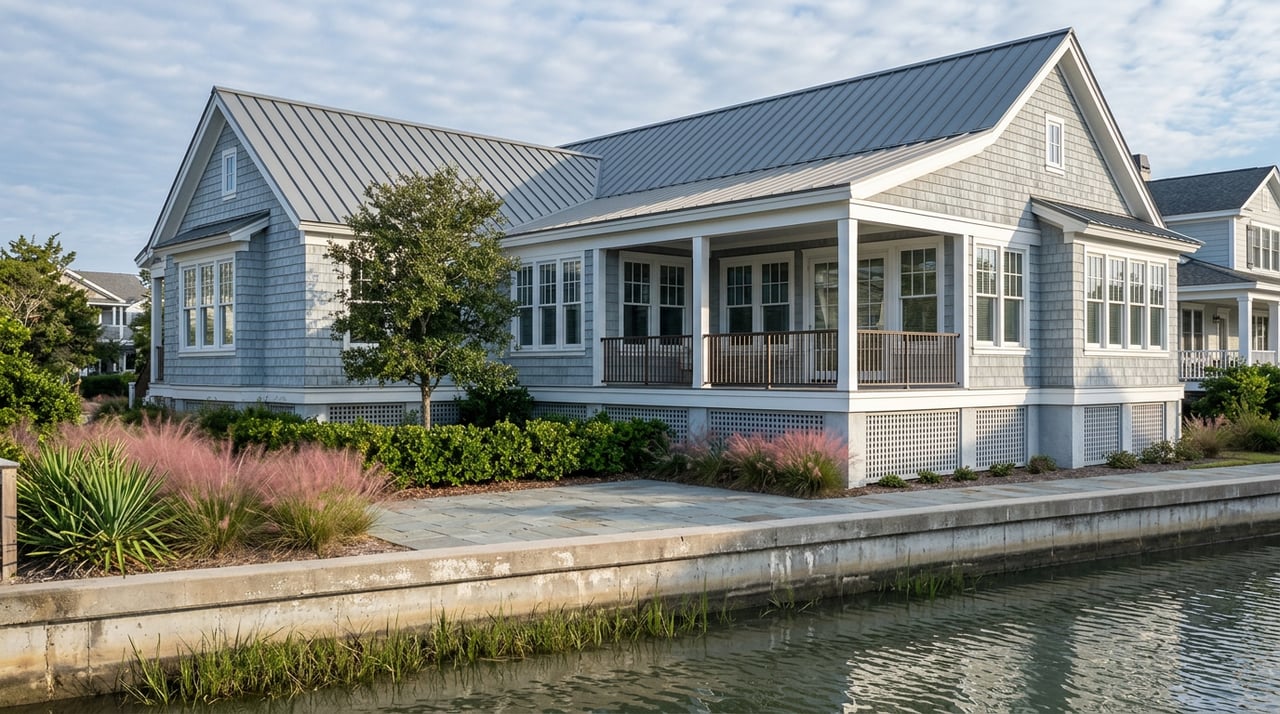
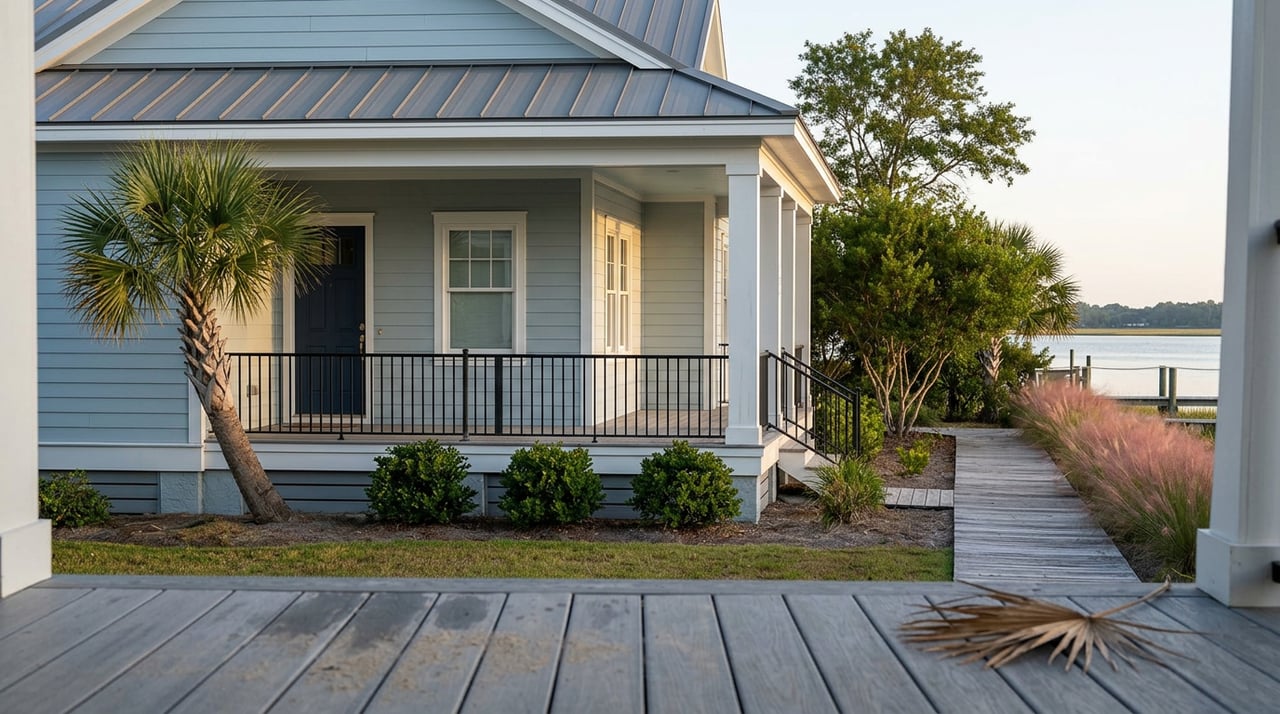
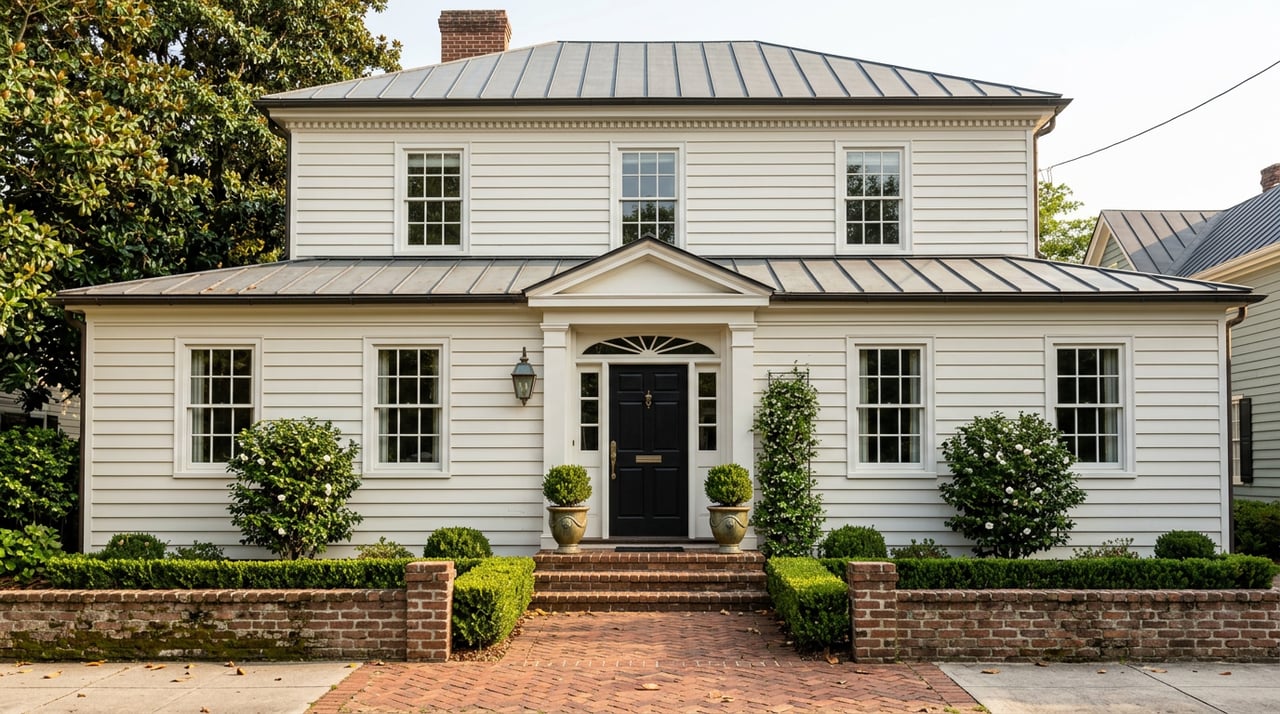
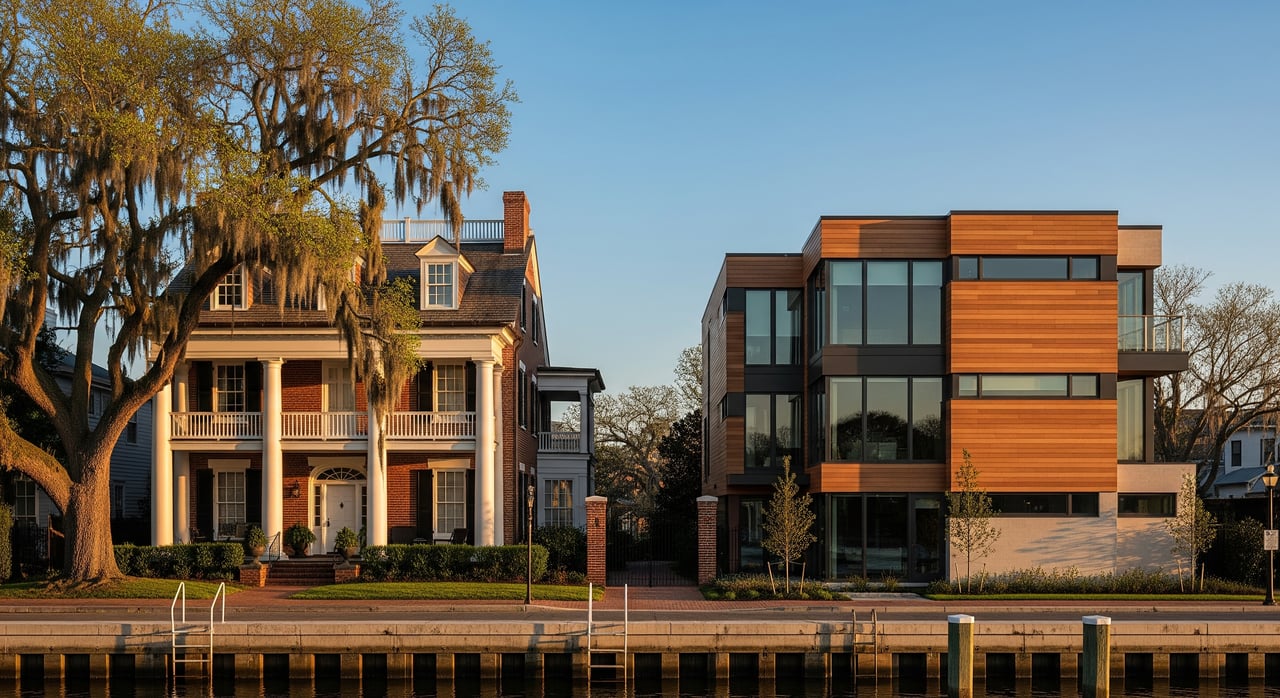
New Bern’s historic neighborhoods include colonial and Federal influences near the core, Victorian and Queen Anne details, and early 20th-century bungalows and Craftsman homes. Expect character-defining features like porches, high ceilings, original hardwoods, and decorative millwork. New builds tend to emphasize open plans, main-level suites, modern kitchens and baths, and lower maintenance materials.
Rules: historic commission vs HOA
In local historic districts, municipal rules focus on preserving exterior character. You will likely need review for visible changes, demolition, or additions. New subdivisions often have HOAs with design guidelines, dues, and rules for exterior changes and shared amenities. Historic controls are public regulations, while HOAs are private covenants. Each can shape your design choices and timeline.
Resale factors in New Bern
Well-maintained historic homes in preserved districts can be highly marketable to buyers who value location and character. New construction appeals to buyers who prioritize turnkey living, efficiency, and modern layouts. Flood risk, insurance costs, and documentation like elevation certificates can influence pricing and demand. Clear disclosure of flood history and mitigation helps both marketability and buyer confidence.
New Bern home decision matrix
| Factor | Historic or Older Home | New Build |
|---|---|---|
| Move-in timeline | Often months if renovations or approvals are needed | Shorter, especially for spec homes or near-complete builds |
| Upfront budget | Purchase price plus moderate to high renovation costs possible | Predictable purchase price with upgrades; fewer immediate repairs |
| Maintenance intensity | Moderate to high, with periodic major system updates | Low in the first 10 to 15 years, plus builder warranties |
| Energy bills | Often higher until upgrades are completed | Generally lower due to code-level insulation and systems |
| Flood insurance likelihood | Varies by location; can be higher if in Special Flood Hazard Area | Depends on lot; elevation and modern foundations can help |
| Design control | Historic commission review for visible exterior changes | HOA rules and architectural review in many subdivisions |
| Resale appeal | Strong for buyers seeking character and downtown proximity | Broad appeal for buyers wanting turnkey, efficient living |
| Best buyer fit | You value character and accept maintenance and timelines | You want low maintenance, efficiency, and quick move-in |
Checklists for buyers
If you lean historic
- Pre-offer: gather seller disclosures and ask about neighborhood flood history.
- Order a general inspection plus specialists as needed: structural engineer, electrical, plumbing and sewer scope, HVAC, termite, environmental tests for lead and possible asbestos, and a moisture or mold assessment for flood-prone homes.
- Verify the flood zone and ask for an elevation certificate if available.
- Confirm whether the home is in a local historic district and what exterior changes need approval.
- Get at least one contractor estimate for expected upgrades like foundation work, HVAC, electrical, or roof.
- Explore renovation financing options if major work is planned and build in a 10 to 20 percent contingency for hidden issues.
- Prioritize safety and code items first, then plan moisture control and flood mitigation if needed.
If you lean new build
- Confirm the lot’s flood status and required elevation or foundation type. Ask for a projected elevation certificate if in a flood zone.
- Review builder warranty coverage and who handles claims.
- Read HOA documents for dues, design rules, and any pending assessments.
- Confirm energy features: heat pump type, insulation R-values, window specifications, and duct sealing standards.
- Schedule independent inspections at key milestones: foundation, framing, pre-drywall, and final.
- At closing, collect all manuals, warranties, and maintenance schedules for systems and appliances.
What a local guide can do for you
Choosing between historic charm and a new build is easier with a New Bern specialist by your side. You can lean on a local team to coordinate inspections, vet contractors, confirm flood and elevation details, and map out realistic timelines and budgets. Our boutique approach fits New Bern’s market, where property condition, district rules, and insurance can make or break your plan.
If you are weighing both paths, reach out to schedule a no-pressure consult. We will help you compare specific properties, line up due diligence, and chart the fastest route to a confident close. Start the conversation with TurnkeyRealty.
FAQs
What does a New Bern historic district designation mean for renovations?
- If a property is in a local historic district, exterior changes visible from the street typically require design review and approval before work begins, which adds steps and time to your project.
How does a New Bern flood zone affect my costs and coverage?
- Homes in FEMA Special Flood Hazard Areas usually require flood insurance for financed purchases; premiums vary by zone, elevation, and mitigation measures, so get quotes early in your search.
Are there tax credits for restoring a historic home in New Bern?
- Federal historic tax credits generally apply to income-producing properties rather than owner-occupied homes; check current programs with state and local preservation offices.
What financing options help with renovations?
- Renovation-focused loans can bundle purchase and improvements into one package; choose based on project scope and work with your lender to match the product to your timeline.
How quickly can I move into a new build in New Bern?
- Spec or near-complete homes can close quickly, while to-be-built homes depend on permitting and construction schedules; review the builder’s timeline and inspection plan early.