Are you comparing HOA and POA fees for homes around Southport and wondering what the labels really mean? You are not alone. On the North Carolina coast, the name on the sign often tells you less than the documents behind it. In this guide, you will learn what HOA and POA fees typically cover near Southport, how much they might run, the coastal factors that influence costs, and exactly what to review before you buy. Let’s dive in.
HOA vs. POA basics in North Carolina
You will see both HOA (Homeowners Association) and POA (Property Owners Association) in Brunswick County. There is no universal legal difference between the two. Powers come from the recorded governing documents for each community, not the name.
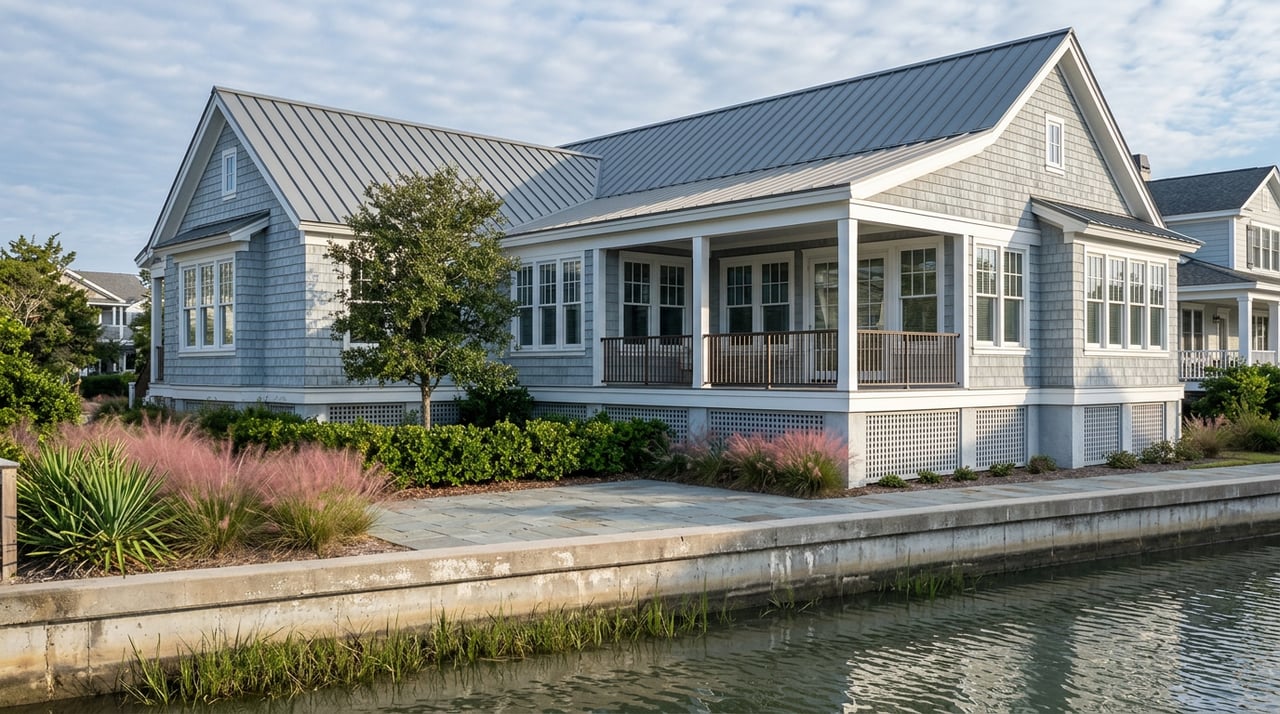
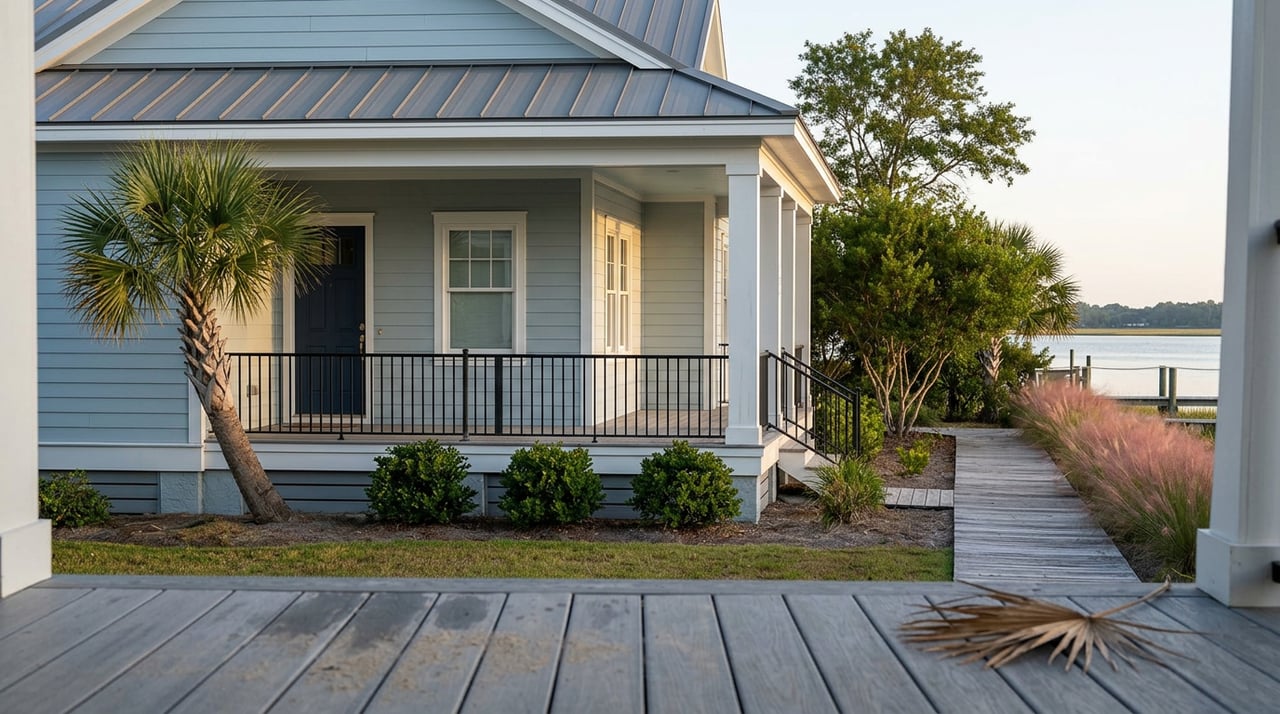
In practice, an HOA label is common for neighborhood subdivisions with lawns, parks, or pools. A POA label often appears in master-planned or waterfront communities and can include roads, docks, marina maintenance, or private beach access. These are conventions, not rules. The only way to know what applies is to read the community’s Declaration of Covenants, Conditions, and Restrictions (CC&Rs), bylaws, and rules.
North Carolina associations operate under state laws that include the North Carolina Planned Community Act and the North Carolina Condominium Act. Most associations are nonprofits run by an elected board, with authority in their documents to levy assessments, adopt rules, fine for violations, and file liens, and in some cases foreclose for unpaid assessments. Always verify details in the recorded documents and consult a North Carolina attorney for legal interpretation.
What fees look like near Southport
You will encounter several fee types when buying near Southport:
- Regular assessments: monthly, quarterly, or annual dues for daily operations and routine maintenance.
- Reserve contributions: funds set aside for large future repairs like roads, pools, or seawalls.
- Special assessments: one-time charges for unplanned projects or budget shortfalls.
- Transfer fees or capital contributions: one-time charges due at closing for new owners.
- Miscellaneous fees: amenity keys or cards, parking decals, rental application fees, fines, and late fees.
Typical fee ranges on the NC coast
Actual dues vary, but these coastal ranges are common:
- Low-amenity communities: about $25 to $125 per month.
- Typical neighborhood communities: about $100 to $300 per month.
- Resort-style or waterfront communities: about $250 to $700+ per month.
Communities with docks, marinas, dredging, or seawalls can see additional charges or special assessments. Always verify the current dues and ask for the recent history of increases and special assessments. A resale or estoppel certificate is the best snapshot of what you owe now and at closing.
Coastal costs that influence dues
The Southport area’s coastal setting can add complexity to budgets and reserves. When you compare communities, look out for these line items and risks:
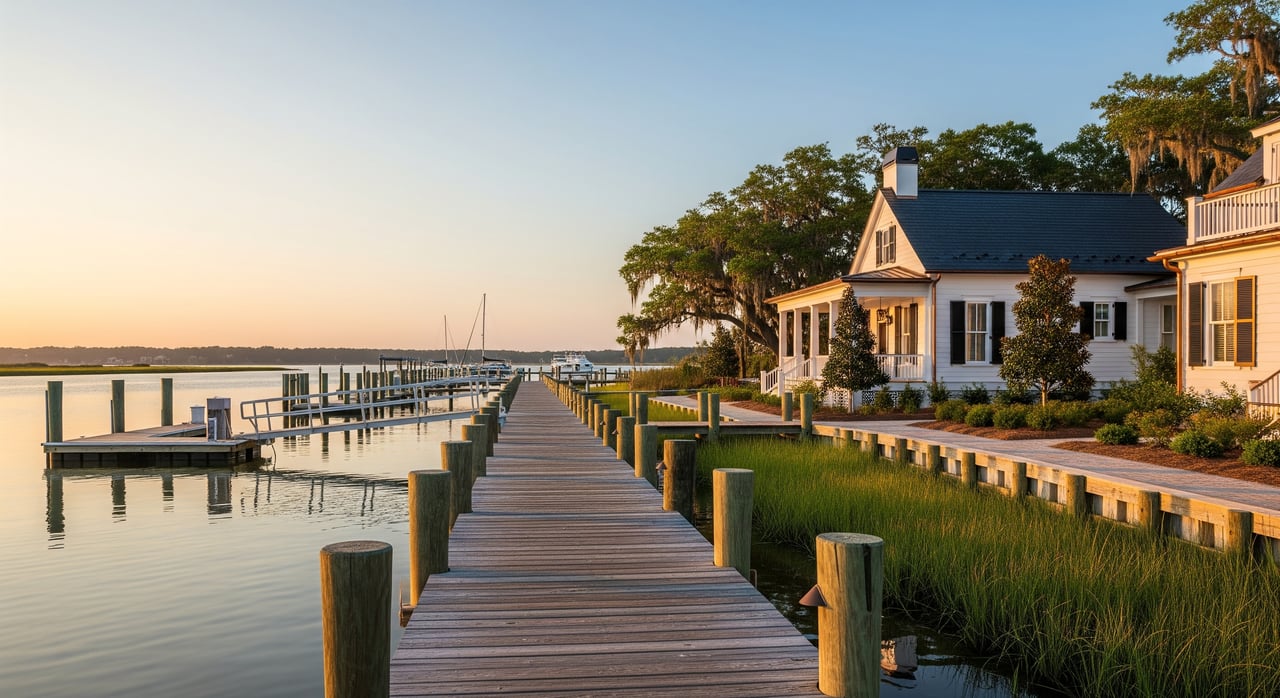
- Waterfront infrastructure: docks, bulkheads, and marinas need ongoing repairs and sometimes dredging. These items can drive fees higher than a similar inland neighborhood.
- Storm and hurricane exposure: coastal storms can create extraordinary repair costs. Ask how the association insures common areas and what deductibles or assessments could apply.
- Erosion and dune projects: some communities contribute to coastal access or dune maintenance. Check how those projects are funded.
- Salt air wear: corrosion and faster roof, siding, and pavement deterioration increase operating and capital costs over time.
- Flood insurance exposure: the association’s master policy usually covers common areas but not your dwelling. You will often need your own flood policy in coastal zones, separate from association dues.
What your dues usually cover
Association budgets vary, but dues commonly fund:
- Routine services: landscaping, mowing common areas, pest control, and in some communities trash or recycling.
- Utilities for common facilities: irrigation water, streetlight electricity, and sewage for shared systems.
- Amenities: pools, clubhouses, fitness centers, tennis courts, playgrounds, and community events.
- Infrastructure maintenance: private roads, sidewalks, stormwater systems, parking lots, community docks, and bulkheads.
- Insurance: liability for common areas and directors and officers coverage. Owners usually insure their homes and contents separately.
- Management and administration: property management, legal and accounting, reserve studies, and enforcement costs.
- Reserve funds: planned replacements and major repairs based on a capital plan or reserve study.
How to compare communities
Your goal is to understand what you pay, what you get, and what could change. Use this simple process when you shop for homes around Southport.
Before making an offer
- Ask for the dues amount and billing frequency.
- Get a concise list of what services and amenities the dues cover.
- Request the resale or estoppel certificate to confirm current balances, transfer fees, and any pending assessments.
During due diligence
- Obtain the CC&Rs, bylaws, and any amendments.
- Review the current operating budget and last year’s budget.
- Read recent financial statements and bank reconciliations.
- Look for a reserve study or capital plan.
- Read the last 12 to 24 months of board and annual meeting minutes.
- Request a list of special assessments in the past 5 to 10 years, with reasons and amounts.
- Review current rules and regulations plus any architectural review guidelines.
- Confirm all fee schedules, including rental application fees, transfer fees, marina slip fees, and parking fees.
- Ask for insurance certificates for the master policy and confirm coverage limits and deductibles.
- Check for pending litigation or collection actions.
- Verify rental and short-term rental policies and confirm any Town of Southport or Brunswick County requirements that apply.
- If docks or a marina are involved, ask for maintenance plans and any dredging assessments or schedules.
- Confirm flood zone status and typical owner insurance requirements for the area.
At closing
- Confirm all transfer fees and capital contributions on your closing disclosure.
- Get written confirmation of the current dues and any scheduled increases.
Red flags to watch
- Low or no reserves combined with aging infrastructure.
- Frequent special assessments or consistent budget shortfalls.
- Opaque records or difficulty obtaining minutes, financials, or a resale certificate.
- High turnover of board members or managers, or ongoing disputes and lawsuits.
- Restrictive or unclear rental policies that could affect income or resale.
- Hidden capital projects like dredging or private road reconstruction not clearly communicated early.
Questions to ask the association
- How often are dues billed, and what do they cover line-by-line?
- What is the current reserve fund balance and the date of the last reserve study?
- What special assessments have occurred in the last 5 to 10 years? Why and how much?
- Are there pending or recent lawsuits?
- What are the rental and occupancy rules, and do short-term rentals require registration?
- Who enforces rules, and how are fines and collections handled?
- What capital projects are anticipated in the next 3 to 5 years, and how will they be funded?
- Are there separate fees for marina slips, boat storage, or assigned parking?
HOA vs. POA: what the label means here
In the Southport and Brunswick County market, you will see HOA labels on many residential subdivisions and POA labels on larger, planned, or waterfront communities. Do not assume the label tells you the cost or coverage. A POA might include roads, docks, and security. An HOA might handle only common landscaping. The deciding factor is always the written CC&Rs, budget, and reserve plan.
Budgeting tips for second homes and rentals
If you are buying a second home or a property you intend to rent:
Confirm short-term rental policies and any county or town registration requirements. Rules vary by community and do not override local laws.
Ask how guest access to amenities works and what credentials cost.
Check the association’s storm response and insurance deductible policies. After a coastal event, some communities levy assessments to cover deductibles.
Include one-time fees at closing. Transfer fees and capital contributions can affect your cash-to-close.
Evaluate amenity value versus your actual use. If you will not use a marina or deluxe clubhouse, higher dues may not deliver value for your lifestyle.
Real value: comparing two fee profiles
Picture two Southport-area options:
Community A: $115 per month, covers common landscaping and basic lighting. Roads are public. No pool. Modest reserves. You handle your own lawn and exterior.
Community B: $320 per month, covers private road maintenance, full lawn care, pool and fitness center, and a well-funded reserve for future paving. You save time on yard work and get amenities, but you pay more monthly.
Neither is “better” by default. The right fit depends on your lifestyle, how you will use the home, and your tolerance for future special assessments. Communities with strong reserves often provide more predictability over time.
Work with a local guide
Understanding HOA and POA fees around Southport comes down to documents, budgets, and coastal realities. If you want a clear, step-by-step review of dues, coverage, reserves, and red flags for any property you are considering, our boutique team can help coordinate the right questions and keep your purchase on track. For a practical, local perspective on coastal homes and communities, reach out to TurnkeyRealty.
FAQs
What is the difference between an HOA and a POA in NC?
- The label alone does not create a legal difference; each community’s recorded CC&Rs, bylaws, and rules define powers, fees, and obligations.
What are typical HOA or POA fees near Southport?
- Coastal ranges often run about $25 to $125 for low-amenity neighborhoods, $100 to $300 for typical communities, and $250 to $700+ for resort-style or waterfront areas.
What do HOA or POA dues usually cover in coastal communities?
- Dues commonly fund landscaping, common utilities, amenities, private road and stormwater maintenance, insurance for common areas, management, and reserves.
How do special assessments work in these communities?
- Boards can levy one-time charges for unplanned projects or shortfalls, subject to the authority and procedures in the community’s governing documents.
What documents should I request before buying into an HOA near Southport?
- Ask for CC&Rs and amendments, bylaws, budgets, financials, reserve study, meeting minutes, rules, fee schedules, insurance certificates, litigation disclosures, and the resale or estoppel certificate.
Are flood insurance costs included in HOA or POA dues?
- Association master policies typically cover common areas, not your dwelling; owners often need separate flood insurance in coastal zones.
What is a resale or estoppel certificate in North Carolina?
- It is a document from the association or manager showing current dues, balances, transfer fees, and key rules so buyers know exact obligations at closing.