Looking for a coastal town where boating, beach days, and everyday errands can all fit into the same routine? Cape Carteret offers a version of coastal living that feels practical as much as picturesque. If you want a home base near the water without living in the middle of a dense resort area, this town gives you a lot to think about. Let’s take a closer look at what daily life in Cape Carteret can really feel like.
Cape Carteret at a glance
Cape Carteret is a small mainland town in Carteret County with 2,703 residents spread across about 2.5 square miles. The town describes itself as a low-density community with nearly 8 miles of waterfront, plus a bridge connection to Bogue Banks and the Atlantic Ocean.
That combination shapes daily life in a big way. You are close to the water, close to the beach, and still rooted in a residential setting that feels more local than resort-driven.
Daily pace feels residential
Cape Carteret is organized around a simple, easy-to-understand layout. The town identifies three single-family neighborhoods, Old Cape Carteret, Bayshore Park, and Star Hill, while much of the shopping, dining, and services are concentrated along the NC 24 corridor.
That means your day may feel less like navigating a large city and more like moving between home, a few regular stops, and the waterfront. For many buyers, that kind of rhythm is part of the appeal.
Census data also points to a more established population, with a median age of 46.3 and only 7.5% of residents having moved in the prior year. While every household is different, those numbers suggest a town where many people put down roots and stay awhile.
Water access is part of the lifestyle
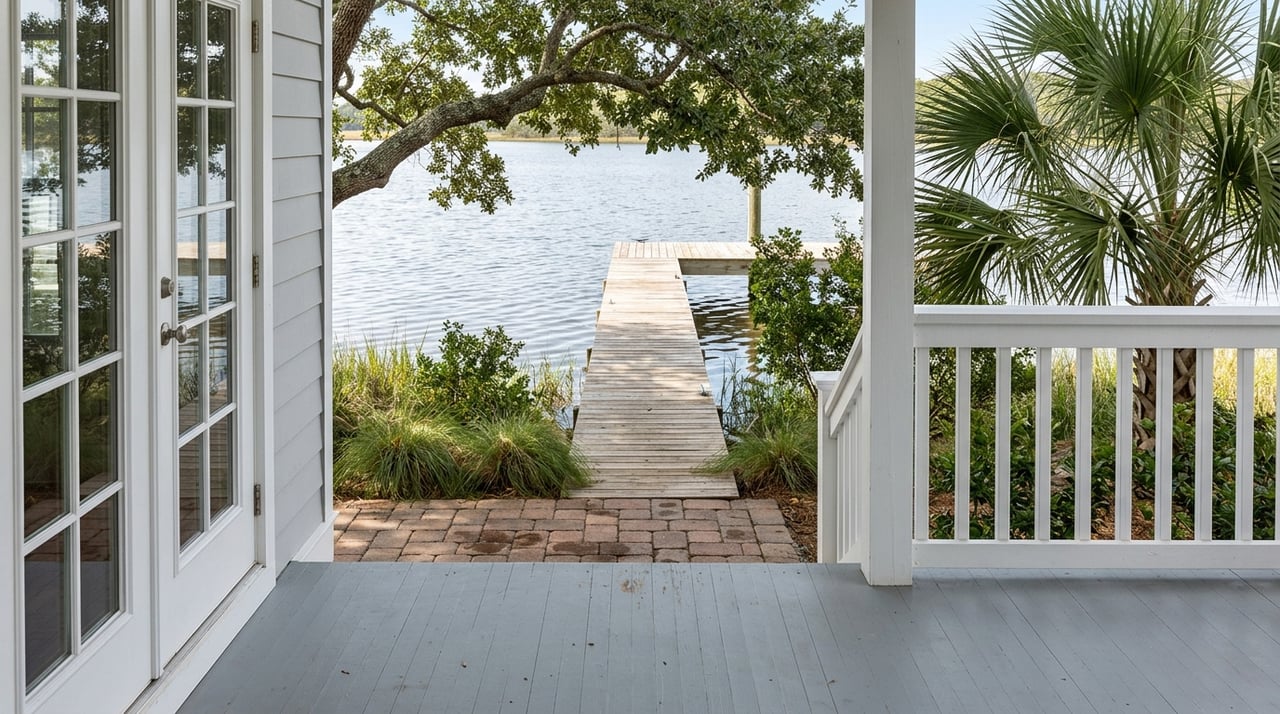
If being on the water matters to you, Cape Carteret stands out for how built-in that access feels. The town operates 10 water access parks along with 4 other parks, giving residents multiple ways to enjoy the sound-side environment.
Some of those spaces are limited to residents and property owners, while Pettiford Creek kayak launch is open to everyone. Ferry Landing Park is the largest waterfront park on Bogue Sound, and Community Park behind Town Hall hosts events like festivals and concerts.
This setup makes the water feel woven into ordinary life. Instead of treating boating or paddling like a once-in-a-while outing, you may find it becomes part of your weekly routine.
Boat ramps and launch access
Cape Carteret has two public boat ramps, located at Manatee Street and Bayshore Drive. The town uses an annual pass system that runs from January 1 through December 31, with different fee tiers based on where you live.
For buyers who own a boat or plan to spend time on the sound, that matters. Easy launch access can change how often you actually use the water, and in Cape Carteret, that convenience is part of the everyday appeal.
Parks support an active routine
The town also maintains a 2.4-mile bicycle path and has plans to extend it. Cape Carteret is still generally car-oriented, but that bike path adds another option for getting outside and moving through town.
If your ideal day includes a walk, bike ride, kayak launch, or a few quiet minutes by the water, Cape Carteret gives you places to do that without needing a full-day plan.
Beach days are close, but planning helps
One of the biggest lifestyle draws here is simple: the beach is nearby. To reach Bogue Banks and the Atlantic Ocean, you cross the Cameron Langston Bridge, often associated locally with the Emerald Isle Bridge.
That connection is a real advantage for anyone who wants beach access without necessarily living on the island. You can enjoy a mainland home base and still make beach time part of your routine.
At the same time, it helps to go in with realistic expectations. Carteret County planning documents describe the bridge corridor as heavily traveled, and longer-term planning has identified NC 24, NC 58, and the sound bridge as stressed or likely to become more stressed over time.
Traffic is part of coastal living
In practical terms, that means your trip to the beach may be quick on some days and much busier on others. Summer traffic, weather conditions, and peak travel times can all affect how smoothly you get across the bridge.
NCDOT provides summer storm travel resources, including coastal route information and real-time closure updates through DriveNC. If you are considering a move here, that is part of the real coastal routine: beach access is a major perk, but planning around traffic and weather matters too.
Errands and entertainment stay close to home
Cape Carteret does not have a sprawling downtown, but it does have a practical commercial corridor. Along NC 24, you will find retail, restaurants, services, and amusements grouped in a way that keeps day-to-day needs fairly convenient.
That concentration can make life feel efficient. Instead of driving across a large metro area for basic errands, many regular stops are close together.
One local example is Mac Daddy’s, which combines restaurant service with bowling, arcade games, mini golf, go-karts, and event space. It reflects the kind of amenity mix that supports both everyday living and casual fun close to home.
Dining connects you to the Crystal Coast
While Cape Carteret itself is compact, you are also tied into the wider Crystal Coast dining scene. Regional restaurant options include seafood, casual dining, coffee shops, bars and pubs, waterfront spots, and fine dining.
That broader network adds flexibility to daily life. You can keep things local during the week and still have plenty of nearby options when you want a change of scenery.
Community events add local rhythm
A town can feel very different depending on whether it revolves around visitors or year-round routines. In Cape Carteret, local events help shape that rhythm.
Town materials highlight recurring gatherings such as the Crystal Coast Watermelon Festival, Sounds on the Sound, Movies in the Park, and the Turkey Trot. Together, those events point to a community calendar built around familiar annual traditions and public gathering spaces.
For buyers who want a connected coastal lifestyle without constant resort-style bustle, that balance can be a strong fit.
Housing feels low-density and primarily single-family
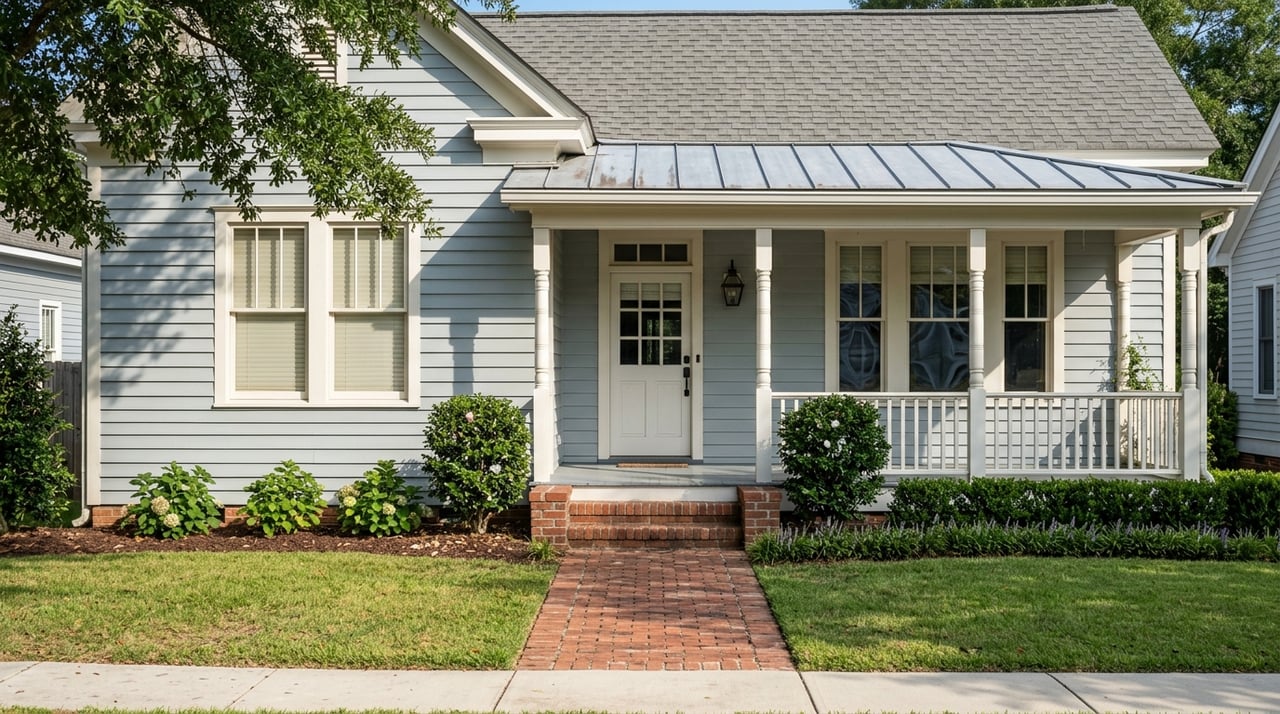
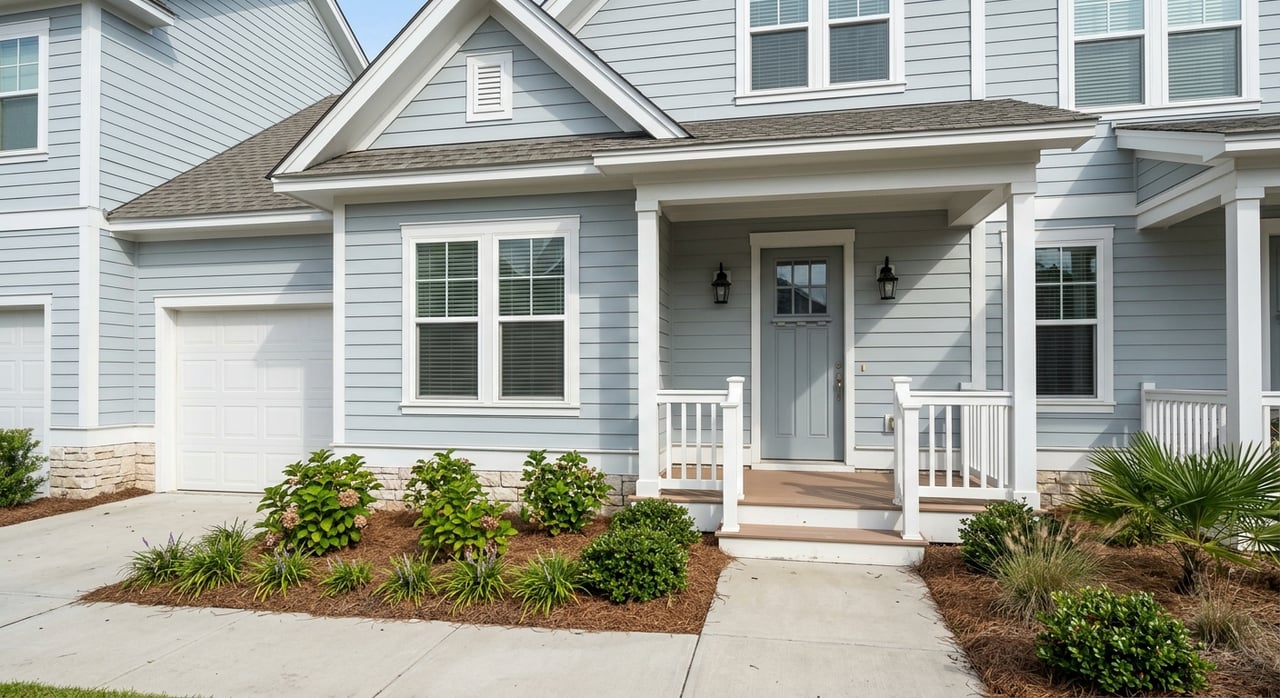
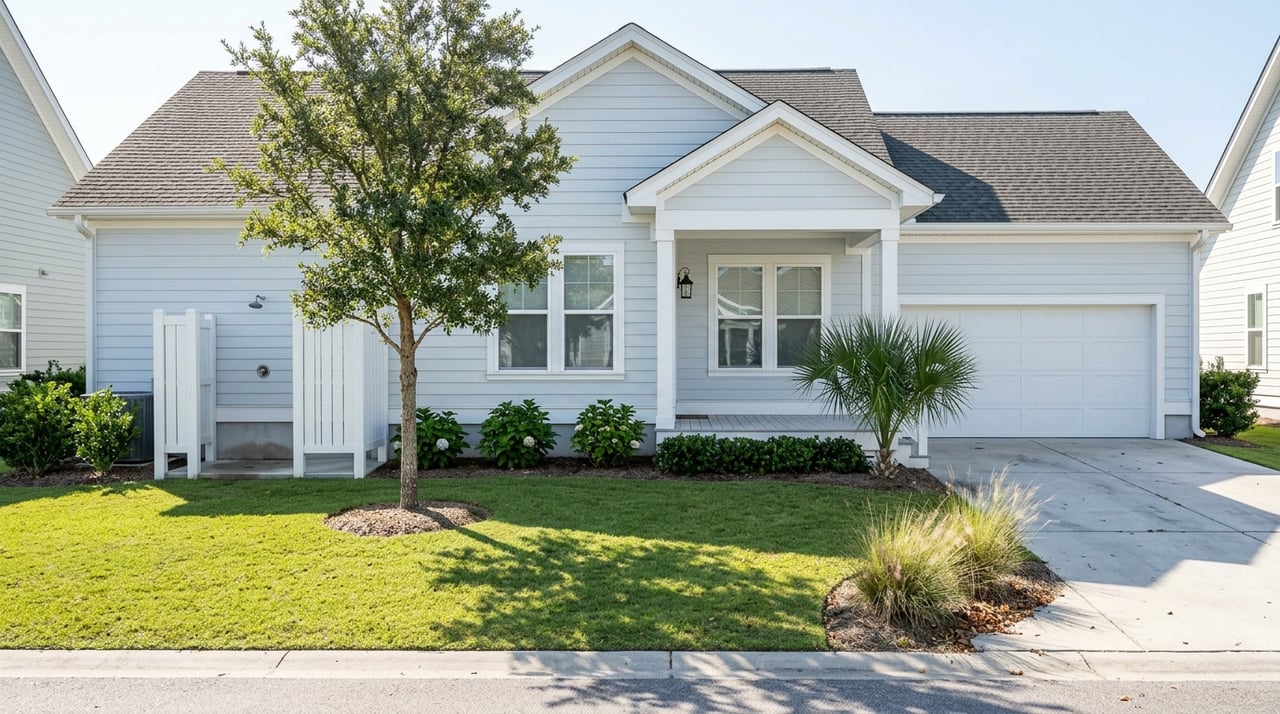
Cape Carteret’s housing profile supports the town’s residential feel. Census data shows 1,312 housing units, a median owner-occupied home value of $375,700, and a median household income of $86,136.
Compared with Carteret County overall, both the town’s median owner-occupied value and median household income are higher. Those numbers do not tell the full story of any one property, but they do help frame the local market.
The town’s current development rules also point to relatively generous residential lot sizes in many areas. Common minimums fall in the 13,500 to 20,000 square foot range, with R-10 at 15,000 square feet and R-10M at 2 acres.
What buyers should keep in mind
If you are shopping for a home in Cape Carteret, it helps to understand that the town remains largely low-density and single-family today. There are plans for a future Town Center with mixed-use development and additional housing options, but the current character is still mostly residential and spread out.
The town also states that there is no centralized wastewater collection system, so many homes rely on on-site wastewater systems. That is an important practical detail to ask about as you evaluate properties.
Commute and convenience matter too
Cape Carteret offers a coastal setting, but it is still part of everyday working life for many residents. Census data shows a mean commute time of 25.1 minutes.
That can appeal to buyers who want access to the coast while maintaining a practical routine for work, errands, and family schedules. It is another reason the town often feels more like a lived-in community than a vacation-only destination.
Who Cape Carteret may suit best
Cape Carteret may be a strong match if you want:
- A mainland coastal home base
- Sound access that feels easy to use regularly
- Beach access just over the bridge
- A low-density residential setting
- Nearby parks, events, and everyday conveniences
- A town atmosphere that feels settled rather than high-intensity
For many buyers, the biggest draw is the balance. You are close to boating and beaches, but your daily life can still feel grounded, manageable, and neighborhood-focused.
Why local guidance helps here
Cape Carteret is not just about finding a house near the water. It is about matching your routine to the right part of town, understanding launch access, weighing bridge traffic, and knowing how a low-density coastal setting fits your goals.
If you are comparing neighborhoods, buying a primary home, or looking for a second-home base near Emerald Isle, local insight can help you move from broad interest to a smart decision. When you are ready to talk through Cape Carteret homes and what fits your lifestyle, connect with TurnkeyRealty.
FAQs
What is daily life like in Cape Carteret, NC?
- Daily life in Cape Carteret tends to feel residential, water-oriented, and practical, with homes, parks, boat access, and most errands centered around a compact town layout.
How close is Cape Carteret to the beach?
- Cape Carteret is connected to Bogue Banks and the Atlantic Ocean by the Cameron Langston Bridge, giving residents relatively quick access to beach areas depending on traffic and weather conditions.
Does Cape Carteret have public boat ramps?
- Yes, Cape Carteret has two public boat ramps at Manatee Street and Bayshore Drive, and the town uses an annual pass program for access.
Are there parks and outdoor spaces in Cape Carteret?
- Yes, the town operates 10 water access parks, 4 other parks, a public kayak launch at Pettiford Creek, and a 2.4-mile bicycle path.
What type of housing is common in Cape Carteret?
- Cape Carteret is largely a low-density, single-family residential town, with many homes on larger lots and many properties using on-site wastewater systems rather than centralized wastewater service.
Is Cape Carteret a resort town or a residential town?
- Cape Carteret reads more as a small mainland residential town with water access and nearby beach convenience rather than a dense resort district.